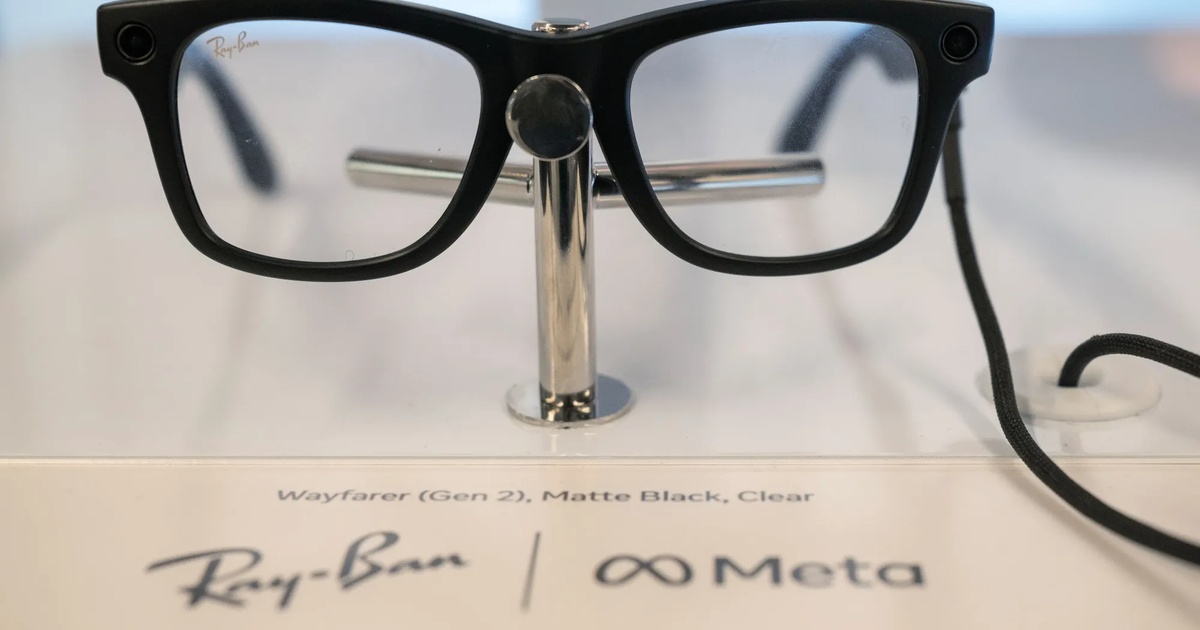
The rapid consumer adoption of smart glasses in Europe has ignited an acute regulatory and societal confrontation across the continent. Driven by advances in ambient artificial intelligence and a high-profile marketing partnership between Meta Platforms and influencer Kylie Jenner, wearable visual computing has officially entered the commercial mainstream. However, reports of unauthorized filming of women and girls in public spaces—alongside media characterizations of the hardware as clandestine recording devices have prompted civil society groups, national watchdogs, and municipal authorities to demand nationwide restrictions and outright retail bans.
The escalating friction highlights how optical sensor miniaturization and real-time biometric feeds challenge European civil liberties and statutory privacy frameworks. When consumer electronics blend covert capture hardware with autonomous intelligence, regional regulatory scrutiny quickly translates into commercial uncertainty for hardware developers and software ecosystems. For technology executives, compliance officers, and institutional analysts tracking how digital rights alter commercial product cycles, continuous reporting on tech provides indispensable clarity on emerging hardware policy.
The Wearable Sales Boom: From Niche Curiosity to 7 Million Units
The commercial acceleration of smart glasses in Europe marks a stark departure from earlier consumer failures. While Google’s initial push into head-mounted displays in 2013 stalled due to consumer backlash, Meta’s multi-year collaboration with Ray-Ban parent EssilorLuxottica has achieved commercial velocity. Meta delivered approximately seven million pairs globally in 2025 alone, up significantly from a combined total of two million units across 2023 and 2024.
Modern wearable spectacles allow wearers to record high-definition video, take photos, stream audio, place calls, translate spoken dialogue, and query on-device artificial intelligence engines. As tech giants like Snap and Google prepare rival consumer releases, European streets have become an active testing ground for continuous ambient surveillance.
This sudden expansion of personal sensory hardware directly impacts consumer discretionary retail flows, intellectual property valuations, and electronics manufacturing supply chains. Economists evaluating how digital hardware spending and regulatory compliance outlays affect continental commercial productivity can evaluate structural trends via comprehensive reporting on the wider economy.
Regulatory Pushback: School Bans, Municipal Prohibitions, and Citizen Resistance
Public resistance to smart glasses in Europe reached a tipping point during the summer months. In Britain, public outcry surged after a 17-year-old girl described to Channel 4 News being covertly filmed by an unknown man during an interaction, sparking an online parliamentary petition to halt consumer sales.
The regulatory reaction has spread across the European continent:
- Oslo Municipal Bans: Authorities in Norway’s capital enacted an immediate ban prohibiting smart glasses across municipal school grounds, as national ministries draft legislation to restrict wearable facial recognition in public spaces.
- National Privacy Watchdogs: France’s data protection agency, the Commission Nationale de l’Informatique et des Libertés (CNIL), issued official advisories urging extreme public and institutional vigilance.
- Grassroots Enforcement: In Sweden, designer Mateusz Pozar created the “Ban Ray” initiative, supplying venue-exclusion signage and lens-obscuring stickers after his partner was covertly filmed by wearers in public.
- Data Extraction Concerns: Civil rights campaigners have also raised alarms over data-moderation practices, citing reports of overseas contractors in Kenya reviewing graphic footage harvested from user recordings.
Responding to regulatory pressure, Meta stated it has strengthened optical protections to ensure its blinking exterior recording LED cannot be physically covered or electronically disabled without deactivating the cameras. The tech conglomerate stated that third-party vendors offering LED-disabling modifications have been forced to cease operations.
Statutory protections under the General Data Protection Regulation (GDPR) and the EU AI Act will dictate how wearable cameras capture public imagery. Analysts tracking how legislative assemblies and data protection authorities enforce digital privacy standards can examine updates via politics.
The Looming Biometric Battle: Facial Recognition and Decentralized Identity
The central controversy surrounding smart glasses in Europe involves future software updates, specifically reports that hardware manufacturers are engineering facial recognition modules for real-time visual identification. Slovak EU lawmaker Veronika Cifrová Ostrihoňová formally submitted inquiries to the European Commission, demanding to know whether ambient optical capture complies with European human rights and AI safety statutes. The European Data Protection Board has commissioned an autumn study assessing the technology’s social acceptability.
This debate over physical surveillance is accelerating interest in decentralized privacy protocols. As citizens seek tools to protect personal identity from continuous digital logging, privacy technologists evaluate zero-knowledge cryptography and decentralized crypto networks to establish verifiable personal sovereignty over private biometric profiles.
Shifting privacy frameworks and potential regional bans also alter investor sentiment across global equity exchanges, triggering capital realignments across financial markets.
Valuation Implications for Wearable Hardware and Big Tech Equities
The legal scrutiny aimed at smart glasses in Europe presents concrete valuation risks for multinational consumer technology firms. If municipal school bans evolve into sweeping public recording prohibitions or restrictions on hardware imports, revenue projections for consumer wearables will contract. Equity research analysts continually monitor these compliance friction points and operational margins across major tech, luxury eyewear, and semiconductor stocks.
According to statutory guidelines from the European Data Protection Board (EDPB), capturing biometric identifiers in public spaces without explicit individual consent violates fundamental EU privacy standards.
Whether the European Commission enacts unified hardware restrictions or delegates enforcement to domestic regulators, the conflict over smart glasses in Europe underscores the limits of ambient technology. As European cities push back against covert recording, the technology sector must balance convenience with privacy to maintain its license to operate on European streets.
Disclaimer:
The information provided in this article is for educational, journalistic, and informational purposes only and does not constitute legal, regulatory, technology compliance, or investment advice.