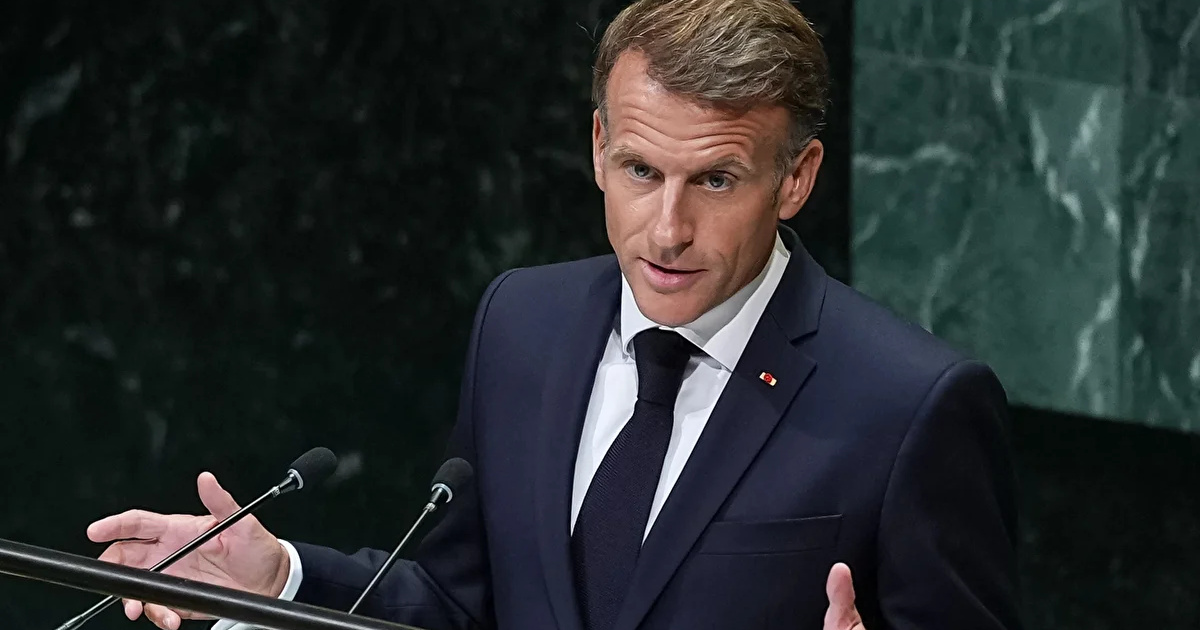
In an extraordinary geopolitical escalation designed to protect critical maritime energy corridors, the deployment of the French military Red Sea oil route contingent has been officially ordered by President Emmanuel Macron. Addressing the nation in a wide-ranging primetime television interview on TF1 and France 2, the French head of state confirmed that Paris is dispatching active-duty soldiers, advanced radar tracking installations, and surface-to-air defense systems to Saudi Arabia. The military mission aims to defend the Red Sea port terminal of Yanbu, a strategic hub for global crude transport that has faced repeated missile and uncrewed aerial vehicle barrages launched by Yemen’s Iran-backed Houthi forces.
The decision to station sovereign armed forces along the Arabian coastline highlights how energy security has become tied to direct military intervention. With global crude benchmarks experiencing heightened volatility and European domestic consumers facing persistent energy inflation ahead of winter, safeguarding maritime choke points has become an urgent state priority. For defense planners, sovereign risk analysts, and energy strategists evaluating how strategic military deployments alter regional stability and international trade, comprehensive newsroom coverage on politics provides essential context on wartime governance.
Securing Yanbu: Why France Is Deploying Defensive Systems
The primary strategic driver behind sending the French military Red Sea oil route mission to the Gulf is the defense of alternative supply arteries. As hostilities involving Iran disrupt shipping transiting through the Strait of Hormuz and the Bab el-Mandeb Strait, Saudi Arabia has increasingly relied on the East-West Petroline to pump crude overland to its western maritime terminals at Yanbu on the Red Sea. However, repeated long-range missile and drone attacks have threatened this alternative conduit.
“We are going to send military resources, that is to say, soldiers, radar systems and defence systems, to protect this site not to get us involved in any conflicts, but to protect this site,” Macron emphasized during his televised address. The French president sought to assure domestic voters that the country maintains adequate petroleum and natural gas reserves heading into the heating season, while warning that disruptions to Red Sea energy transport would trigger price shocks across Europe.
Macron also cautioned that a potential United States export ban on refined diesel a contingency the White House has publicly denied considering would prove economically catastrophic for both the American and global economies.
A prolonged disruption of sovereign petroleum shipments directly influences industrial transport overheads, consumer purchasing power, and domestic inflation metrics. Economists assessing how sustained energy volatility and transport realignments shape gross domestic output can follow long-term indicators through dedicated reporting on the wider economy.
Domestic Homeland Threats: Russian Hybrid Warfare and Critical Infrastructure
The deployment of the French military Red Sea oil route detachment coincides with warnings from the Élysée Palace regarding domestic security threats inside Europe. While Macron dismissed a report by Spanish daily El Mundo alleging that the Central Intelligence Agency (CIA) had warned European allies of imminent drone strikes launched from the Mediterranean, he cautioned that Moscow is multiplying hostile and criminal operations across European territory.
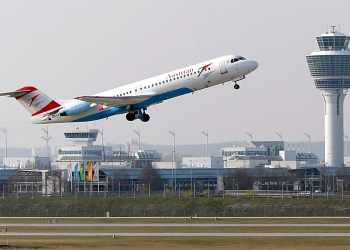
Citing a foiled drone strike in August that targeted Germany’s Leipzig airport, Macron revealed he has ordered his cabinet to draft an emergency national protection plan to shield French critical infrastructure from drone and cyber sabotage. The French leader stated that Moscow is executing hybrid attacks to intimidate the European public and weaken continental support for Ukraine. Russian authorities have rejected these allegations, describing European claims as unfounded hysteria.
Airspace surveillance, coastal radar tracking, and rapid automated interceptor networks require deep digital integration. Technology specialists evaluating electronic countermeasure systems, drone-detection algorithms, and high-frequency radar data follow innovations via tech.
At the same time, multinational shipping cartels and maritime insurers navigating hostile marine corridors face volatile foreign exchange exposures. Energy trading desks increasingly evaluate programmable liquidity platforms and crypto networks to settle emergency bunker fuel fees, charter contracts, and maritime risk premiums without banking delays.
Diplomatic Contradictions: Sanctions Exemptions and Sovereign Backlash
The operational rollout of the French military Red Sea oil route mission unfolds alongside complex diplomatic maneuvers that have sparked criticism among European allies. Macron’s stance on countering Russian influence encountered diplomatic pushback this week after Paris secured an exemption from European Union sanctions for Russian-Uzbek metals billionaire Alisher Usmanov, citing vital French national security interests. The controversial move coincided with Azerbaijan issuing a pardon for a French citizen previously imprisoned on espionage charges.
These realpolitik compromises illustrate the balancing act between international sanction regimes and sovereign geopolitical priorities. Maritime interdiction operations and diplomatic maneuvers continue to shift capital allocations and risk premiums across international commodity and energy markets.
Corporate Valuation Realities for Listed Defense and Energy Equities
The commitment of the French military Red Sea oil route contingent introduces operational catalysts for European aerospace and defense contractors. Deploying advanced radar tracking arrays and air defense interceptor batteries to Gulf infrastructure reinforces the sustained demand environment for sovereign military hardware. Equity research analysts continuously monitor these defense production backlogs, maintenance contracts, and operational margins across publicly traded defense and energy stocks.
According to maritime security advisories published by the International Maritime Organization (IMO), securing commercial tanker traffic through designated maritime corridors remains essential to maintaining global supply-chain stability.
Institutional wealth managers and corporate treasuries also track balance-sheet reserves and corporate liquidity across broader business & finance channels.
As French radar systems and air defense personnel begin active operations around the terminal at Yanbu, the deployment of the French military Red Sea oil route forces marks a decisive operational turn. Facing domestic energy inflation, Red Sea missile salvos, and asymmetric hybrid threats across Europe, Paris is using its military to secure its economic lifeline.
Disclaimer:
The information provided in this article is for educational, journalistic, and informational purposes only and does not constitute military, defense procurement, legal, financial, or energy investment advice.