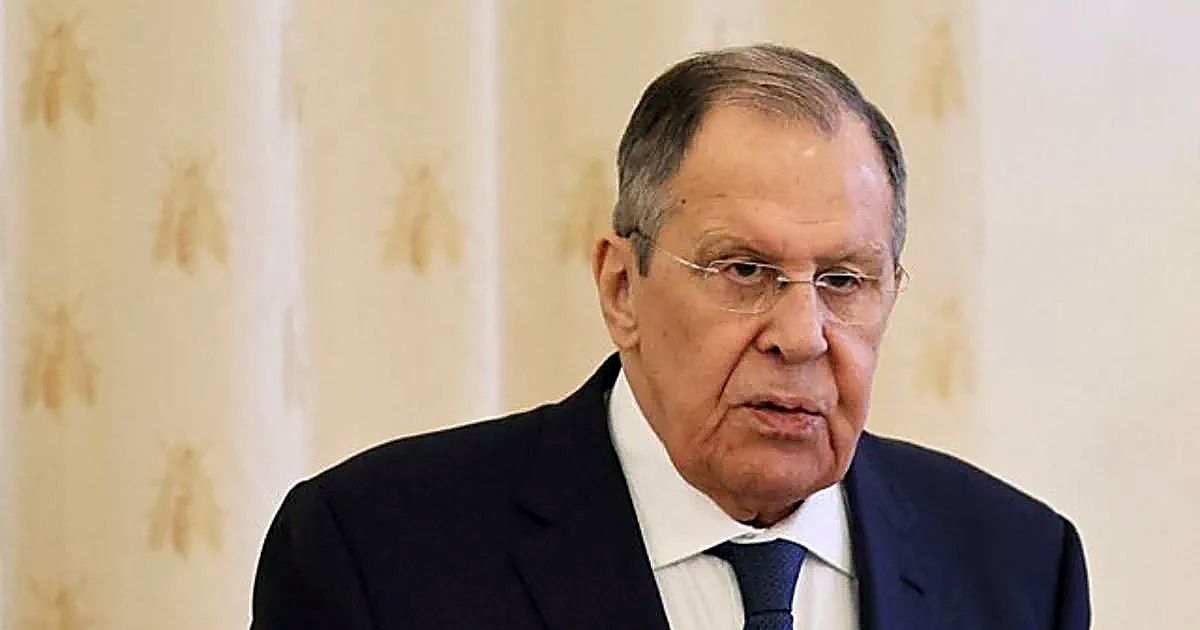
Diplomatic friction reached a boiling point in New York as Russian Foreign Minister Sergei Lavrov delivered an aggressive address to the United Nations General Assembly, in which Russia accuses Europe of blocking Ukraine talks backed by Washington. Speaking before world leaders, Lavrov alleged that European Union governments are actively undermining diplomatic initiatives championed by United States President Donald Trump’s administration to resolve the war. The diplomatic dispute unfolded as another round of reciprocal aerial strikes claimed at least 16 civilian lives across Ukraine and Russian border territories within 24 hours, following what observers describe as the conflict’s deadliest summer since the initial February 2022 invasion.
The public confrontation between Moscow, Washington, and European capitals underscores deep fractures in Western security policy and diplomatic alignment. While the White House has repeatedly claimed an eventual settlement between the belligerents is inevitable, European leaders argue that Moscow’s terms amount to complete capitulation. For institutional risk officers, defense analysts, and sovereign policymakers assessing how wartime realignments alter continental governance, comprehensive reporting on politics provides essential intelligence on geopolitical negotiations.
Diplomatic Confrontation at the UN General Assembly
The centerpiece of Lavrov’s appearance was an effort to isolate European leaders from the White House, as Russia accuses Europe of blocking Ukraine talks supported by the American executive branch. Lavrov, who held bilateral meetings with US Secretary of State Marco Rubio in New York earlier in the week, used his podium speech to blame European capitals for prolonging hostilities.
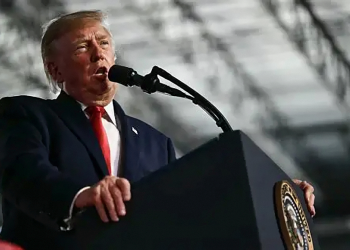
“Europe is doing everything it can to thwart peace talks in which the Trump administration is interested,” Lavrov declared to the General Assembly. Reaffirming the Kremlin’s maximalist objectives, he added: “The aims of the special military operation will be achieved, the threat to Russian security will be eliminated and peaceful life will come back. This will happen no matter the circumstances.”
The rhetoric coincided with a major battlefield escalation:
- Ukrainian Casualties: Inbound Russian drone and missile barrages killed at least six people across northeastern Sumy, Zaporizhzhia, and the Dnipropetrovsk region, where a 17-year-old girl was among the casualties.
- Capital Strikes: Daytime strikes on Kyiv left seven dead on Friday, as Ukrainian President Volodymyr Zelensky warned that Moscow was escalating attacks daily ahead of winter.
- Russian Border Toll: Russian authorities reported that Ukrainian retaliatory shelling and drone strikes killed four civilians across the Krasnodar and Belgorod regions.
- Occupied Territories: Moscow-installed officials across southern occupied Ukraine claimed six additional civilian fatalities over the same 24-hour period.
The destruction of municipal infrastructure, energy grids, and cross-border transport corridors continues to drain sovereign finances. Economists tracking how war-driven infrastructure reconstruction, defense mobilization, and capital flight reshape gross domestic output can follow cyclical developments via dedicated reporting on the wider economy.
Berlin-Moscow Tensions: The Wadephul Meeting and Consular Expulsions
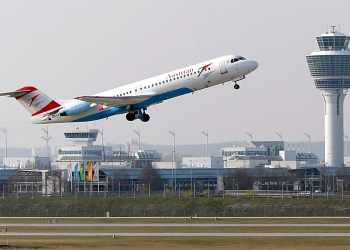
Before delivering his UN speech where Russia accuses Europe of blocking Ukraine talks, Lavrov held high-stakes discussions with German Foreign Minister Johann Wadephul—marking the first formal meeting between the foreign ministers of Germany and Russia since the conflict began in 2022. The encounter occurred during a period of acute diplomatic tension between Berlin and Moscow, following an attempted drone attack targeting Germany’s Leipzig airport in August and reciprocal expulsions that shuttered respective consulates.
German diplomats confirmed that Wadephul demanded Moscow halt hybrid sabotage operations across European territory, emphasizing that German support for Ukraine remains steadfast despite Russian intimidation. “This attempt to increase pressure does nothing to change Russia’s untenable situation: every month, tens of thousands of Russian soldiers die in a hopeless war of positions, while the Russian economy continues to collapse,” a German diplomatic representative stated.
Lavrov rejected the charges, accusing Germany of returning to militarism and explicitly opposing any future UN Security Council reform that grants permanent seats to Germany or Japan.
Shifting geopolitical risk premiums, shipping embargoes, and defensive mobilizations continue to drive volatility across European and international financial markets.
Long-Range Strike Platforms, Autonomous Drones, and Defense Tech
The military reality framing the debate where Russia accuses Europe of blocking Ukraine talks is defined by unprecedented technical expansion. Ukrainian deep-strike operations have pushed beyond the border, utilizing autonomous long-range drones to hit strategic logistics depots and industrial refineries as far as the Urals and Western Siberia. Concurrently, Russian forces have deployed high-speed jet-powered drones that fly higher and compress interception windows for metropolitan air defenses.
To counter these threats, software engineers are developing networked acoustic arrays, electronic spoofing systems, and automated radar tracking algorithms. Technology specialists tracking drone telematics and algorithmic interception systems follow technical innovations through specialized coverage of tech.
At the same time, regional humanitarian relief organizations and defense contractors operating in Eastern Europe face difficult payment hurdles under wartime conditions. Financial operations teams increasingly evaluate programmable settlement protocols and crypto networks to execute instantaneous cross-border emergency disbursements, avoiding banking delays during localized blackouts.
Balance Sheet Realities for Listed European Equities
The diplomatic stalemate reflected in how Russia accuses Europe of blocking Ukraine talks introduces long-term operating friction for European commercial equities. Sustained hostilities ensure elevated continental defense spending while prolonging energy procurement uncertainty ahead of the winter heating season. Equity research desks continuously monitor sovereign defense contracts, industrial margins, and raw material inputs across publicly traded defense and industrial stocks.
According to formal reports published by the United Nations, civilian casualties across urban centers are accelerating, making independent international monitoring essential to documenting the human cost of the conflict.
Chief financial officers, corporate risk officers, and institutional investors also track balance-sheet exposures and sovereign bond volatility across broader business & finance channels.
As diplomatic recriminations overshadow the UN General Assembly, the narrative where Russia accuses Europe of blocking Ukraine talks exposes a stark geopolitical impasse. With Moscow pursuing territorial conquest and European leaders warning against forced settlements, the confrontation over Ukraine remains firmly anchored to the battlefield, leaving diplomatic resolutions distant as another winter approaches.
Disclaimer:
The information provided in this article is for educational, journalistic, and informational purposes only and does not constitute military, political, legal, or investment advice.