A decisive diplomatic and commercial recalibration has emerged across Beijing and Brussels as China EU trade ties hybrid car deal negotiations reached a formal breakthrough, setting the stage for stabilized cross-border commerce amid persistent industrial disputes. In high-level diplomatic deliberations hosted in Beijing on Tuesday, Chinese Vice Premier He Lifeng met with Emmanuel Bonne, the diplomatic adviser to French President Emmanuel Macron. Vice Premier He affirmed that Beijing is prepared to work constructively with European Union institutions to inject “stability and positive energy” into bilateral economic relations. The meeting followed an agreement finalized last week under which Beijing consented to implement voluntary export quotas that could reduce Chinese hybrid automobile shipments into the European single market by more than 50%.
The newly minted automotive compromise marks a pivotal compromise in the broader trade dispute surrounding clean-technology manufacturing. While European regulators have investigated state subsidies supporting Chinese new-energy vehicle (NEV) exports, Beijing’s Ministry of Commerce (MOFCOM) framed the bilateral settlement as an orderly mechanism that preserves market access and aligns export quotas with those applied to other global trading partners. By agreeing to curtail plug-in hybrid electric vehicle (PHEV) volumes, Chinese policymakers seek to defuse broader tariff escalation while maintaining vital commercial corridors into Europe. For institutional equity researchers, automotive corporate treasurers, and global macro asset allocators tracking transatlantic and Eurasian trade flows, comprehensive European financial news provides critical perspective on industrial trade policies, supply-chain restructuring, and geopolitical risk management.
The Beijing-Paris Axis: He Lifeng and Emmanuel Bonne Prioritize Stability
The diplomatic exchange anchoring the China EU trade ties hybrid car deal highlights France’s central role in shaping European commercial policy toward Beijing:
- The High-Level Summitry: Meeting with French presidential adviser Emmanuel Bonne, Vice Premier He Lifeng emphasized that bilateral relations retain significant untapped growth potential if both sides adhere to previously established leadership consensuses.
- Injecting Commercial Stability: Beijing explicitly reiterated its commitment to preventing cyclical tariff retaliations from spilling into core agricultural, luxury, and aerospace trade channels between France and China.
- The French Strategic Dilemma: Paris was a primary advocate for European Union anti-subsidy investigations into Chinese electric vehicles, making direct dialogue with Bonne essential for Beijing to prevent further regulatory barriers.
- Consensus Implementation: Both delegations reaffirmed their intention to convert high-level diplomatic understandings into operational trade agreements that protect reciprocal foreign direct investment flows.
Multilateral tariff notifications, anti-dumping investigations, and bilateral quota frameworks directly dictate international shipping volumes and corporate operating margins. Portfolio managers evaluating corporate balance sheets and cross-border trade friction monitor real-time indicators through the InvestorBytes financial portal.
The Hybrid Automotive Quota: A 50% Reduction to Preserve Market Access
The centerpiece agreement supporting the China EU trade ties hybrid car deal focuses on targeted volume constraints designed to ease competitive pressure on European original equipment manufacturers (OEMs):
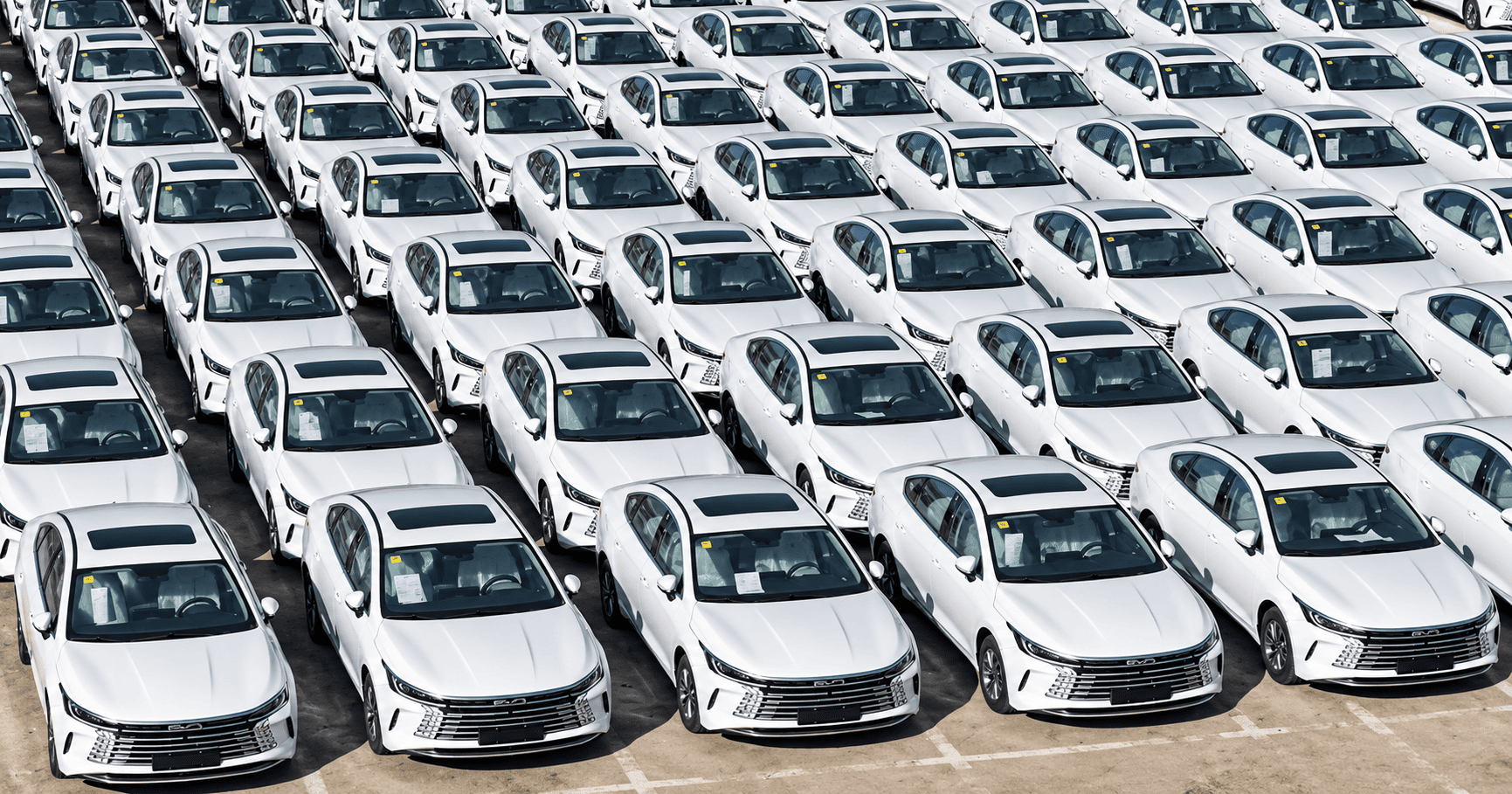
- The 50% Export Reduction: The bilateral framework introduces quantitative limits that could compress Chinese hybrid vehicle export volumes to the European Union by more than half compared to earlier peak projections.
- Preserving Commercial Growth: China’s Ministry of Commerce highlighted that the arrangement provides regulatory certainty, ensuring that compliant Chinese automakers retain predictable, long-term access to the single market.
- Standardizing National Quotas: MOFCOM emphasized that the negotiated allocations align Chinese export parameters with those maintained by other third-country automotive exporters, avoiding punitive unilateral exclusions.
- Intensive Bilateral Consultations: Reaching the compromise required months of technical working-group sessions between trade delegations in Beijing and Brussels to establish baseline unit pricing and volume tracking mechanisms.
Statutory trade rules, dispute settlement protocols, and sovereign subsidy guidelines recorded by the World Trade Organization govern international automotive commerce and export restrictions.
Automotive equity valuations, supply-chain input costs, and corporate capital expenditure programs heavily influence European industrial performance. Analysts tracking global export trends and manufacturer margins follow developments via InvestorBytes macro reports.
Institutional policy revisions and European Union foreign trade directives continue to reshape single-market competition, an area examined in European policy updates.
Export Reliance and Domestic Decoupling: Balancing Overseas Demand
The strategic context surrounding the China EU trade ties hybrid car deal reflects broader macroeconomic pressures within the Chinese economy:
- Surging Trade Surpluses: Recent customs data underscores that expanding export volumes remain vital for supporting Chinese industrial activity amid persistent domestic consumption headwinds and property-sector restructuring.
- Preventing Broad Escalation: Chinese export planners recognized that unrestrained market penetration across the European automotive sector risked triggering severe tariffs across secondary industrial sectors.
- European Manufacturer Relief: Continental automotive giants—including Volkswagen Group, Stellantis, and Renault—gain breathing room to scale domestic hybrid and battery platforms without immediate pricing erosion from imported models.
Corporate treasurers and institutional investment directors assessing European automotive assembly margins track regulatory updates on the InvestorBytes homepage.
The complex relationship between sovereign trade barriers, localized production mandates, and multinational automotive profits is analyzed in InvestorBytes corporate analysis.
Trade Telematics, Customs Verification, and Quota Management
Administering the volume constraints formalized under the China EU trade ties hybrid car deal requires advanced customs and logistics telematics. Port authorities and customs registries deploy automated vehicle identification systems, real-time shipment tracking, and digital certificate verification to monitor quota compliance at major maritime entry points like Rotterdam and Antwerp. Technology specialists tracking electronic trade networks follow software advancements through InvestorBytes digital finance.
At the same time, international automotive supply-chain syndicates and import finance desks managing multi-currency delivery contracts face inventory settlement adjustments. Financial institutions are implementing automated quota clearing rails and programmable trade finance facilities to minimize border clearance delays, an operational shift documented in international capital analyses.
Shifting capital distributions and sovereign regulatory changes continue to influence liquidity across industrial and automotive desks tracked in continental market coverage.
Capital Market Implications for European and Chinese Automotive Equities
The stabilization delivered by the China EU trade ties hybrid car deal provides essential guidance for global equity allocators. For European legacy carmakers, capping low-cost hybrid imports protects operating margins and free cash flow generation across core European sales territories. For Chinese automotive leaders—such as BYD, Geely, and SAIC—the formalization of agreed quotas eliminates regulatory overhang and accelerates plans to invest directly in European assembly plants, transitioning their strategy from raw vehicle exports to domestic European manufacturing. Institutional equity research desks continuously evaluate corporate profit margins, electric vehicle transition costs, and automotive brand multiples through InvestorBytes equity intelligence.
Corporate treasurers, industrial debt underwriters, and institutional portfolio managers track international commercial diplomacy and automotive sector forecasts via the InvestorBytes publication.
As Beijing and Brussels implement the provisions of the China EU trade ties hybrid car deal, the arrangement illustrates how targeted compromise can prevent destructive trade conflicts. By trading volume caps for market predictability, both economic powers have established a workable framework to manage industrial competition while keeping bilateral commerce intact.
Disclaimer:
The information provided in this article is for educational, journalistic, and informational purposes only and does not constitute financial, investment, legal, or international trade advice.