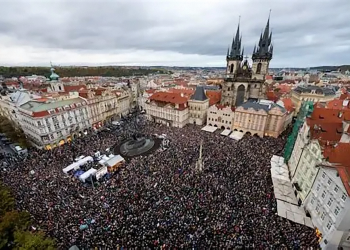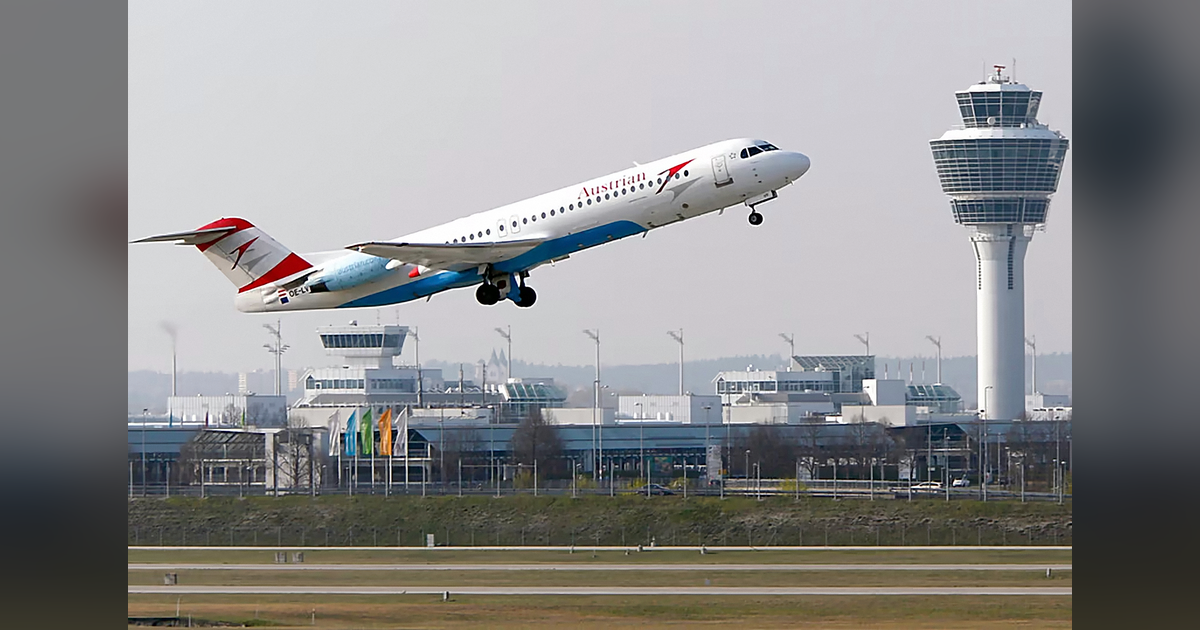
A severe asymmetric disruption campaign intensified across continental skies on Friday as the European flight chaos wave bomb threats crisis entered its third consecutive day, forcing air force quick-reaction interceptors into the air and paralyzing commercial passenger transit. Aviation safety authorities and emergency responders mobilized as fresh electronic threats targeted dozens of civilian flights operating across British, Scandinavian, Central European, and Mediterranean corridors. Major transport junctions including Prague, Copenhagen, Sofia, Rome, and Lisbon faced critical operational delays, while Irish national broadcaster RTÉ and British news network Sky News were forced to evacuate broadcasting facilities following coordinated digital warnings.
The widening geographic reach of the alerts demonstrates how low-cost psychological operations can stress civil infrastructure without deploying physical kinetic weapons. With air defense interceptors scrambled across Hungary, Bulgaria, and Italy to shadow civilian airliners into emergency corridors, European foreign ministers characterized the campaign as coordinated psychological warfare. The electronic messages—frequently delivered via spoofed email domains citing far-right rhetoric—arrive alongside broader attacks targeting European energy grids, freight networks, and cold-chain infrastructure. For commercial airline executives, sovereign risk underwriters, and cross-border transport investors tracking civil infrastructure resilience, comprehensive European financial news provides critical perspective on international transport economics, defense cooperation, and sovereign risk management.
The Third Day of Disruption: Regional Hubs and Flight Diversions
The operational strain generated by the European flight chaos wave bomb threats campaign impacted multi-leg passenger routes across several sovereign airspaces:
- Prague Airport Inundation: Czech aviation authorities confirmed nine separate incoming and outgoing flights were targeted on Friday morning, following 27 European disruptions logged the previous day.
- Escort Interceptions by Air Defense: Hungarian defense officials scrambled armed fighter jets to shadow three civilian aircraft, including an Airbus A321 transiting from Brussels to Sofia and flights heading to Cyprus and Bucharest.
- Flight Reroutings: An Aer Lingus service from Dublin to Rome was diverted into French territory, while a WizzAir flight bound for Warsaw was diverted into Vienna for technical screening.
- UK Hub Impacts: Major British transit hubs including London Heathrow and Birmingham Airport confirmed receiving malicious communications, though flights continued after security assessments deemed the messages not credible.
Operational flight routing rules, air traffic flow management frameworks, and emergency safety directives maintained by the European Organisation for the Safety of Air Navigation define the standard protocols required when civil aircraft squawk emergency distress codes.
Sovereign bond curves, interbank liquidity spreads, and borrowing costs directly influence corporate capital allocation. Institutional asset managers evaluating advanced infrastructure concessions and public utility balance sheets follow market trends through the InvestorBytes financial portal.
The Broadening Target: Newsrooms Evacuated in Dublin and London
A key tactical escalation during the European flight chaos wave bomb threats wave was the direct targeting of independent media organizations:
- The RTÉ Headquarters Evacuation: Staff at Irish national broadcaster RTÉ evacuated their South Dublin studios after receiving a warning stating an explosive would detonate within 45 minutes, forcing news anchors to broadcast from outdoor production units.
- Sky News Security Alert: British network Sky News confirmed receipt of a parallel digital threat, prompting interior building sweeps by municipal counter-terror squads.
- Executive Government Denunciation: Irish Prime Minister Micheál Martin emphasized that such unconventional disruption seeks to generate domestic fear, calling for institutional calm as investigators trace digital signatures.
- Psychological Warfare Acknowledgment: Spanish Foreign Minister José Manuel Albares remarked on national television that identical operating patterns across European states represent deliberate hybrid aggression rather than random coincidence.
Corporate debt covenants, secondary offering allocations, and venture technology valuations directly dictate enterprise software execution. Economists evaluating European fiscal governance follow sovereign debt trajectories through InvestorBytes macro reports.
Cabinet deliberations and pan-European industrial policy directives continue to guide continental capital allocations, an area examined in European policy updates.
The Asymmetric Advantage: Negligible Attacker Cost vs. Millions in Carrier Losses
The economic reality exposed by the European flight chaos wave bomb threats series highlights the imbalance of asymmetric digital operations:
- Near-Zero Marginal Costs: Threat actors utilize automated email dispatchers and VPN chains to send mass hoax alerts, incurring virtually no capital expense.
- Multi-Million Euro Losses: Commercial carriers absorb substantial operational costs through unscheduled jet fuel burn, emergency dumping, airport landing fees, and passenger re-accommodation vouchers.
- The “Male State” Signature: Italian authorities noted that warning emails carried the subject line “Threat Notification” and claimed affiliation with “Fighters of the Male State,” a misogynist extremist movement originating in Russia.
- Attribution Complexities: Security analysts emphasize that extremist labels are frequently used to mask state-backed intelligence operatives seeking to exhaust emergency services without triggering a formal NATO Article 5 collective defense response.
Corporate financial controllers and enterprise procurement directors monitoring data center hardware supply chains follow market pricing trends on the InvestorBytes homepage.
The complex relationship between rising industrial electricity rates, hardware depreciation schedules, and corporate operating margins is evaluated in InvestorBytes corporate analysis.
Aviation Telematics, Air Traffic Flow Routing, and Datalink Security
Mitigating the logistical challenges caused by the European flight chaos wave bomb threats relies on advanced aviation telematics. Regional air traffic controllers deploy automated rerouting algorithms, secure ground-to-air datalinks, and real-time transponder monitoring to safely isolate affected aircraft without grounding entire regional air corridors. Technology specialists tracking smart energy management systems follow system architectures through InvestorBytes digital finance.
Concurrently, European public utility providers and regional transmission system operators managing industrial cooling loads face grid-stability challenges during synchronized facility resets. Infrastructure syndicates are deploying real-time telemetry ledgers and smart microgrid interfaces to coordinate on-site renewable energy generation with grid off-take, an operational evolution documented in international capital analyses.
Shifting capital distributions and sovereign regulatory changes continue to influence liquidity across energy and industrial desks tracked in continental market coverage.
Capital Market Implications for Airline Margins and Tourism Equities
The operational friction documented as the European flight chaos wave bomb threats crisis deepens carries direct financial consequences for European travel and leisure equities. Budget carriers including Ryanair and WizzAir face margin compression as flight diversions and emergency turnarounds increase unbudgeted labor and maintenance hours. Concurrently, aviation insurance underwriters are reassessing risk parameters, potentially increasing war-risk deductibles and operational interruption premiums across continental fleets. Conversely, aerospace defense contractors providing allied forces with advanced airborne radar arrays and secure communications equipment are experiencing sustained budgetary backing. Institutional equity research desks continuously evaluate forward price-to-earnings multiples, consumer demand elasticity, and corporate earnings durability through InvestorBytes equity intelligence.
Corporate financial executives, private wealth managers, and institutional asset allocators track macroeconomic risk pricing and market sentiment via the InvestorBytes publication.
As forensic cyber units trace electronic footprints and airport operations slowly normalize, the fallout from the European flight chaos wave bomb threats demonstrates that modern aviation faces challenges far beyond conventional airspace safety. Strengthening cross-border intelligence-sharing, modernizing digital screening frameworks, and maintaining operational readiness will be crucial for protecting continental transit networks against ongoing asymmetric threats.
Disclaimer:
The information provided in this article is for educational, journalistic, and informational purposes only and does not constitute financial, investment, legal, aviation safety, or corporate risk management advice.