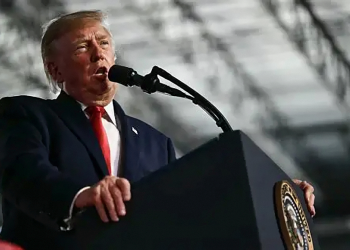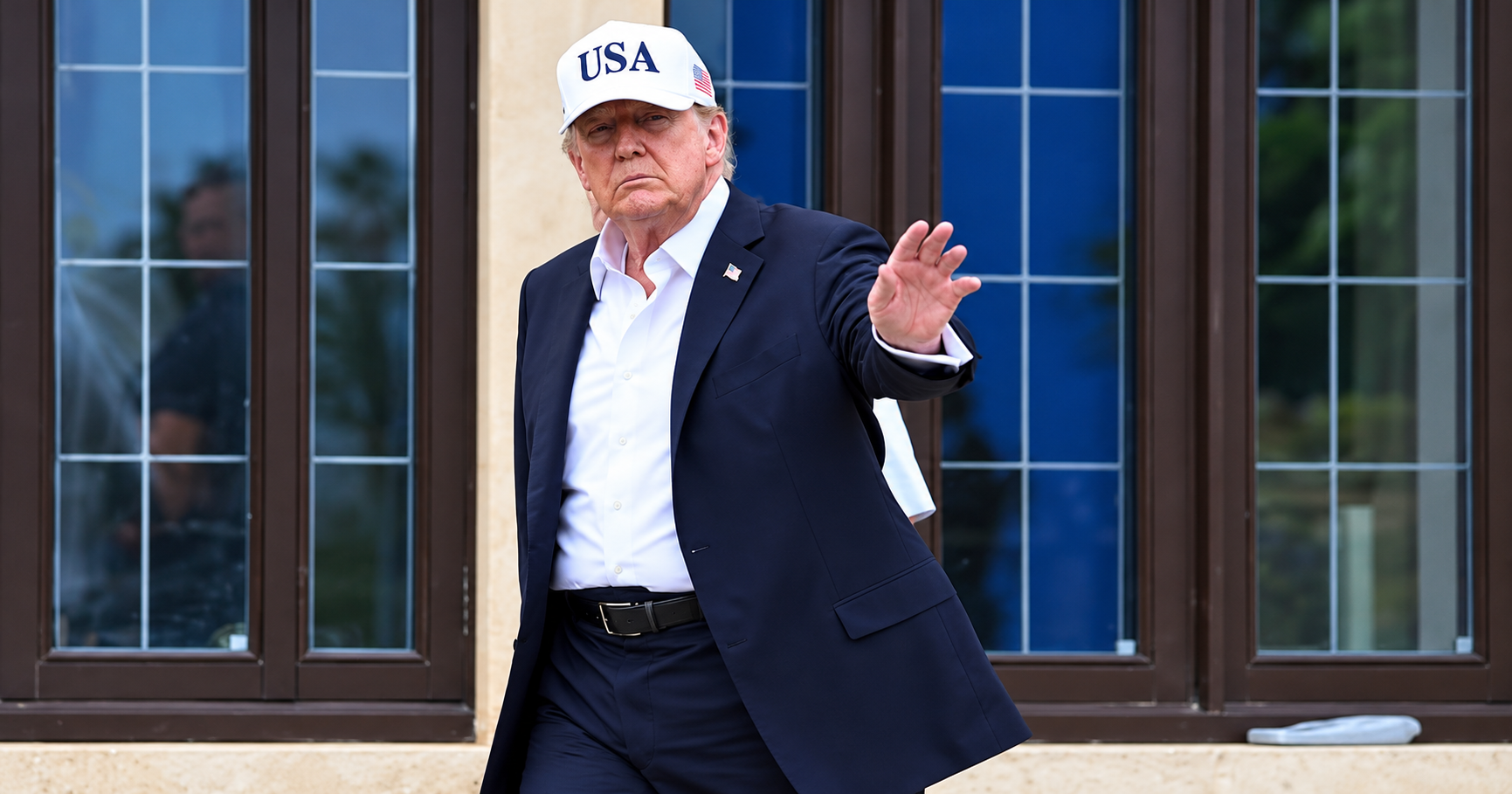
A severe geopolitical dispute erupted across Washington, Kyiv, and European capitals on Saturday as Trump blames Zelenskyy US diesel prices and asserted that Ukraine must replace its wartime leadership. Following the announcement of a unilateral bilateral arrangement with Russian President Vladimir Putin to import hundreds of thousands of tons of Russian middle distillates under temporary US Treasury sanctions waivers, former US President Donald Trump launched an outspoken verbal offensive against Ukrainian President Volodymyr Zelenskyy. Trump claimed that Ukrainian drone strikes targeting Russian inland oil refineries were directly responsible for spiking retail diesel costs for American truckers and farmers, arguing that the protracted war originated from leadership failures and declaring that “it’s time for Ukraine to get a new president”.
The public confrontation marks a dramatic fracture in transatlantic unity, coming at a time when Ukraine is confronting devastating aerial bombardments across its eastern and southern regions. While Kyiv responded by calling the Washington-Moscow fuel agreement “not fair, not honest,” and a dangerous economic gift to the Kremlin’s war chest, European allies expressed deep alarm over the erosion of Western sanctions. For institutional commodity trading desks, foreign exchange allocators, and cross-border energy analysts tracking geopolitical volatility, comprehensive European financial news provides critical perspective on international sanctions compliance, refined petroleum balances, and transatlantic policy shifts.
The Rhetorical Clash: Trump Calls for a New Ukrainian President
The central controversy unfolding as Trump blames Zelenskyy US diesel prices represents an unprecedented public demand for foreign leadership turnover amidst an ongoing armed conflict:
- The Leadership Condemnation: Trump directly targeted the Ukrainian president during public statements, claiming that Zelenskyy had overseen extensive territorial losses and human casualties.
- The Fuel Price Argument: Trump stated that Ukrainian military operations against Russian crude processing hubs were constraining global fuel supplies, telling reporters: “The problem I have with Ukraine and Russia is that, you know, a lot of the diesel comes from Russia, and the Russia plants are being hit by Ukraine”.
- The Call for Removal: Characterizing the conflict’s origins as rooted in political incompetence, Trump stated: “That’s a war that should have never started. And I think it’s time for Ukraine to get a new president”.
- Kyiv’s Firm Response: Zelenskyy denounced the US sanctions waiver, describing Russian diesel purchases as a sign of Western weakness and questioning the legitimacy of diplomatic talks while Russia profits from energy sales.
Middle distillate crack spreads, refinery processing margins, and international shipping rates directly determine wholesale transport expenses. Corporate commodity risk managers monitoring retail fuel inflation follow real-time price indicators through the InvestorBytes financial portal.
The Russian Fuel Arrangement and US Midterm Pressures
The primary domestic driver behind the stance where Trump blames Zelenskyy US diesel prices is the intense pressure surrounding upcoming American midterm elections:
- The Supply Framework: The White House announced that Russia would initially ship more than 300,000 metric tons of diesel, scaling up to subsequent tranches of 500,000 tons and potentially multi-million-ton volumes across the winter cycle.
- Sanctions Easing: The US Department of the Treasury issued temporary general licensing exemptions valid until April 2027 to facilitate delivery of Russian cargoes onto commercial tankers.
- Domestic Cost-of-Living Strains: With average retail diesel prices hovering at elevated levels, domestic transport lobbies and agricultural operators have demanded immediate intervention to contain freight surcharges.
- Multilateral Diplomatic Forums: Declarations registered with the United Nations affirm that unilateral sanctions modifications significantly influence global trade stability and international legal frameworks.
Sovereign regulatory interventions, maritime trade licenses, and global fuel benchmark swings heavily impact supply-chain viability. Analysts evaluating transatlantic trade shifts track macro indicators via InvestorBytes macro reports.
International diplomatic treaties and multilateral sanctions enforcement continue to reshape trade routes, an area examined in European policy updates.
European Backlash: Preserving the Sanctions Coalition
While Washington pursues short-term pump relief, the dynamic where Trump blames Zelenskyy US diesel prices has provoked severe pushback across continental Europe:
- The EU Embargo Maintained: European Union foreign policy leaders emphasized that European ports remain strictly closed to Russian refined oil, refusing to grant parallel sanctions waivers.
- Support for Energy Targets: Baltic and Nordic officials reiterated that striking Russian military-industrial refining assets is an essential defensive strategy to degrade the Kremlin’s operational liquidity.
- Fears of Precedent: European trade ministries expressed concern that bypassing sanctions sets a hazardous standard, encouraging other jurisdictions to seek bilateral energy carve-outs.
Logistics executives and commercial freight managers navigating cross-border transport costs follow regulatory fuel developments on the InvestorBytes homepage.
The complex relationship between domestic retail energy prices, defense diplomacy, and trade sanctions is evaluated in InvestorBytes corporate analysis.
Energy Telematics, Vessel Verification, and Clearing Rails
Managing the trade flows that emerged when Trump blames Zelenskyy US diesel prices requires sophisticated maritime tracking telematics. Shipping brokers and commodities desks deploy satellite Automatic Identification System (AIS) monitoring, cargo provenance documentation, and customs verification to separate Russian volumes from Western product streams. Technology specialists tracking commodity logistics platforms follow infrastructure innovations via InvestorBytes digital finance.
Concurrently, multinational energy clearing consortiums and maritime credit syndicates face compliance risks and currency volatility. Trading houses are implementing automated screening ledgers and smart-contract verification systems to monitor licensed fuel shipments, an operational shift documented in international capital analyses.
Shifting capital allocations and sovereign geopolitical policies continue to drive market movements tracked in continental market coverage.
Capital Market Implications for European Energy Assets
The market fallout from the situation where Trump blames Zelenskyy US diesel prices carries major valuation consequences for equity allocators. If Russian diesel re-enters global channels, international refining premiums could contract from recent cyclical highs. However, European refiners—prohibited from processing Russian crudes—must sustain domestic production to serve continental logistics networks without eastern imports. Institutional equity research desks continuously evaluate integrated oil margins, crack spread durability, and corporate earnings through InvestorBytes equity intelligence.
Corporate treasurers, energy fund managers, and institutional credit desks track regulatory policy and commodity trade via the InvestorBytes publication.
As diplomatic tensions deepen, the controversy where Trump blames Zelenskyy US diesel prices illustrates the conflicting priorities between domestic cost relief and geopolitical containment. With European leaders reinforcing sanctions while Washington seeks fuel supplies, the transatlantic energy alliance enters an increasingly uncertain period.
Disclaimer:
The information provided in this article is for educational, journalistic, and informational purposes only and does not constitute financial, investment, legal, or commodity trading advice.