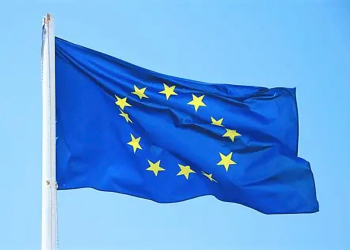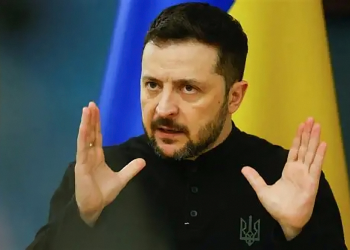
A stark financial evaluation of international military conflicts dominated the European Council summit in Brussels on Thursday as Spanish Prime Minister Pedro Sánchez revealed that the war in Iran cost EU energy crisis has already inflicted a fiscal and economic burden exceeding €100 billion ($109 billion) on European Union member states. Arriving for critical deliberations with fellow heads of state and government, Sánchez linked the acute spike in continental power, natural gas, and refined fuel benchmarks directly to dual geopolitical shocks in the Middle East and Eastern Europe. Characterizing the wars in Ukraine and Iran as illegal and unjustified violations of international law, the Spanish leader cautioned that escalating energy import costs are eroding household purchasing power, straining public finances, and severely undermining the global competitiveness of European industrial manufacturers.
The revelation of the €100 billion economic toll comes as European leaders confront overlapping crises spanning wholesale energy tariffs, maritime navigation security, migration corridors, and fiscal consolidation. With Middle Eastern hostilities threatening critical chokepoints along global hydrocarbon transit arteries—including the Persian Gulf and the Red Sea—freight insurance premiums and wholesale utility benchmarks have faced renewed upward volatility. To illustrate the magnitude of the economic impact, Sánchez noted that the collective loss exceeds the entire annual budget allocated to the European Union’s Common Agricultural Policy (CAP). For sovereign debt allocators, energy trading desks, and industrial risk directors tracking macro stability, comprehensive European financial news provides critical perspective on international trade diplomacy, central bank policy shifts, and emergency energy interventions.
The €100 Billion Estimate: Sánchez Highlights Severe Economic Drag
The financial benchmark underscoring how the war in Iran cost EU energy crisis impacts the single market reflects compounding systemic expenses:
- The €100 Billion Calculation: Prime Minister Pedro Sánchez cited preliminary aggregated estimates showing that elevated utility expenditures, corporate input inflation, and public mitigation outlays have drained more than €100 billion from European economies.
- The Agricultural Comparison: To provide institutional context, Sánchez noted that the financial damage surpasses the European Union’s total annual agricultural spending, which forms the single largest budgetary pillar of the bloc’s finances.
- Lack of Granular Breakdown: While the headline figure was delivered upon arrival at the summit, officials noted that precise state-by-state allocations distinguishing direct fuel import premiums from broader trade losses remain to be detailed.
- The Dual-Conflict Axis: Sánchez explicitly linked the economic fallout to simultaneous regional wars, asserting: “Illegal and unjustified wars that violate international law in Ukraine and Iran are driving the rise in energy prices and impacting citizens, businesses, and public finances across our continent.”
Wholesale electricity clearing rates, sovereign energy subsidies, and national debt burdens directly impact European corporate solvency. Institutional investors tracking sovereign debt sustainability and utility inflation follow fundamental indicators through the InvestorBytes financial portal.
European Council Agenda: Middle East Security and Navigation Rights
The strategic discussions centered on how the war in Iran cost EU energy crisis is being handled at the highest level of European policymaking:
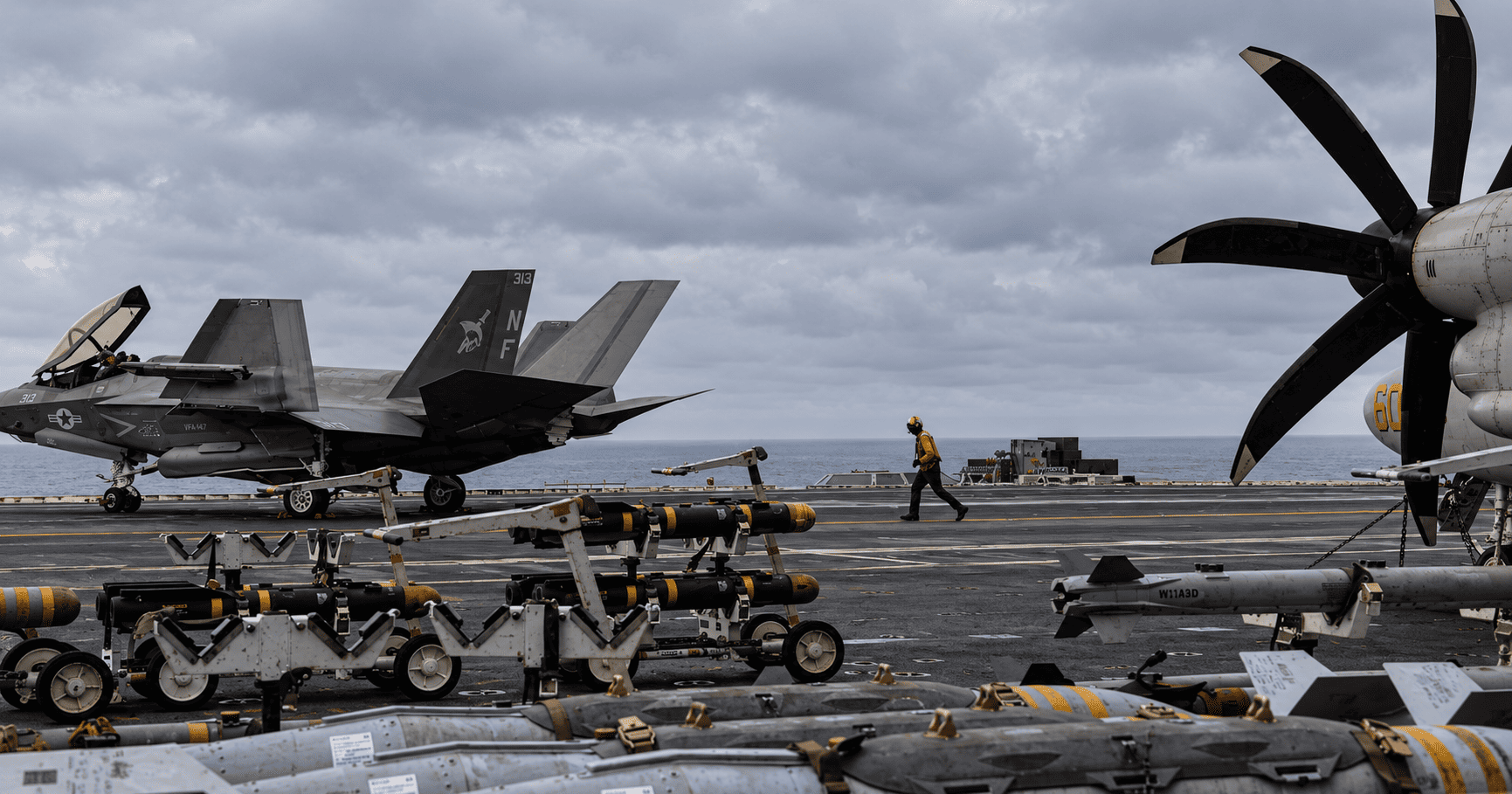
- Freedom of Maritime Navigation: European leaders placed maritime security in the Persian Gulf and Red Sea at the top of the summit agenda, addressing how attacks on commercial shipping disrupt maritime trade flows.
- Supply-Chain Diversification: Summit working groups reviewed emergency measures to protect vital liquefied natural gas (LNG) import corridors and accelerate renewable energy deployment to reduce reliance on foreign fossil fuels.
- Shielding Vulnerable Consumers: Discussions examined targeted fiscal support mechanisms for lower-income households and energy-intensive manufacturing clusters facing unmanageable winter utility bills.
- Official Summit Mandates: Official summit declarations cataloged by the European Council confirm that member states are coordinating joint procurement strategies and energy-saving measures to prevent cross-border price fragmentation.
National bond yields, fiscal deficit parameters, and utility tariff caps directly determine corporate borrowing conditions. Economists evaluating European fiscal governance follow sovereign debt trajectories through InvestorBytes macro reports.
Cabinet deliberations and pan-European council resolutions continue to guide continental capital allocations, an area examined in European policy updates.
Industrial Competitiveness and the Household Cost-of-Living Squeeze
The secondary economic effects demonstrating that the war in Iran cost EU energy crisis is eroding structural productivity are felt across core sectors:
- Heavy Manufacturing Strain: Energy-intensive European sectors—including specialty chemicals, glass, aluminum smelting, and steel production—face competitive disadvantages compared to international rivals operating with lower domestic energy costs.
- Household Consumption Drag: Rising retail utility tariffs reduce discretionary consumer spending, dampening domestic economic momentum across the 27-country bloc.
- The Inflation Challenge: Elevated energy benchmarks threaten to stall the pace of monetary easing by the European Central Bank, keeping sovereign and commercial borrowing costs higher for longer.
Corporate procurement executives and treasury risk managers monitoring industrial fuel volatility follow pricing trends on the InvestorBytes homepage.
The complex relationship between geopolitical trade disruption, corporate balance-sheet resilience, and structural operating margins is evaluated in InvestorBytes corporate analysis.
Energy Telematics, Grid Interconnections, and Maritime Tracking
Managing the volatility caused by the war in Iran cost EU energy crisis requires sophisticated infrastructure telematics. European grid operators and transmission system managers deploy real-time power balancing systems, algorithmic natural gas pipeline flow analytics, and maritime cargo tracking to ensure supply continuity. Technology specialists tracking smart energy management systems follow architectural improvements via InvestorBytes digital finance.
Concurrently, European energy trading houses and commodity clearing syndicates face heightened margin requirements across futures exchanges. Financial institutions are implementing automated collateral settlement ledgers and cross-currency clearing systems to handle fluctuating commodity import bills without liquidity bottlenecks, an operational evolution documented in international capital analyses.
Shifting capital distributions and sovereign regulatory changes continue to influence liquidity across energy and industrial desks tracked in continental market coverage.
Capital Market Implications for European Equities and Utilities
The economic reality documented as the war in Iran cost EU energy crisis unfolds provides key direction for institutional equity allocators. Integrated renewable energy producers and European grid infrastructure developers are seeing increased investor interest as governments prioritize domestic power independence. Conversely, cyclical consumer discretionary and transportation sectors face compressed margins due to elevated fuel expenses and cautious household sentiment. Institutional equity research desks continuously evaluate corporate profit margins, sovereign risk spreads, and renewable energy capital expenditure pipelines through InvestorBytes equity intelligence.
Corporate treasurers, energy fund managers, and sovereign debt analysts monitor European geopolitical risk pricing via the InvestorBytes publication.
As European Council leaders conclude their summit deliberations in Brussels, the warning that the war in Iran cost EU energy crisis exceeds €100 billion serves as a clear reminder of Europe’s geopolitical exposure. By pairing emergency consumer protections with long-term infrastructure investments, the European Union is working to build a more resilient economic framework capable of withstanding global energy shocks.
Disclaimer:
The information provided in this article is for educational, journalistic, and informational purposes only and does not constitute financial, investment, legal, or energy procurement advice.