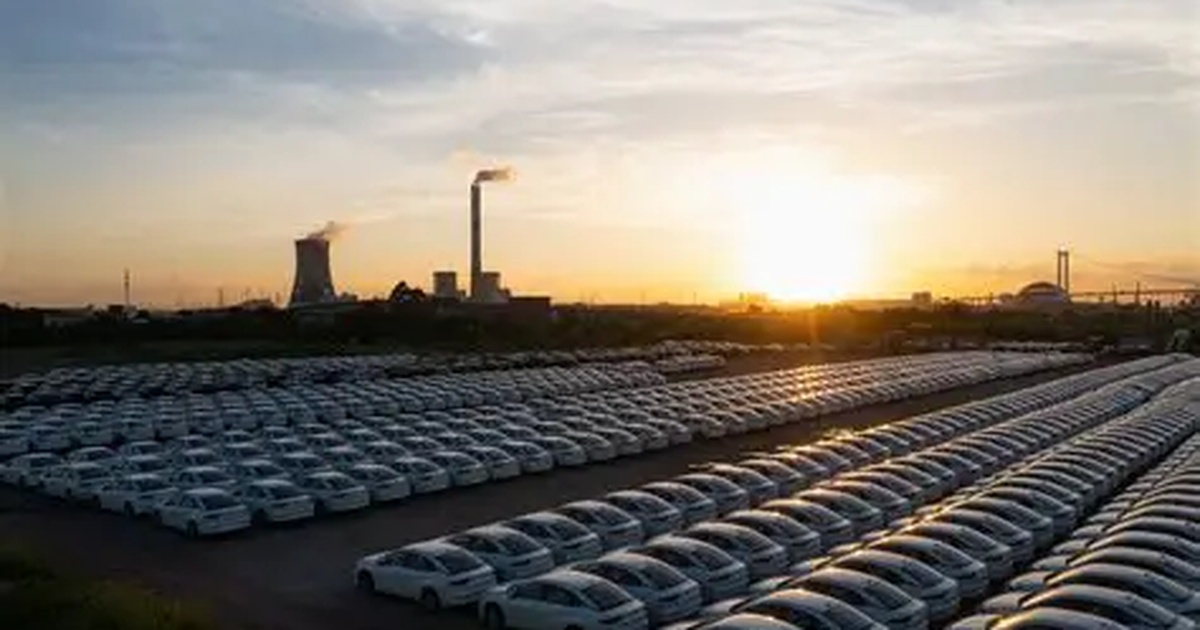
A sudden trade confrontation is shaking European Union headquarters as sales of Chinese hybrid cars in the EU surge to record highs, bypassing existing battery-electric tariffs and threatening continental manufacturing dominance. Official automotive registration metrics reveal an unprecedented influx of imported dual-powertrain vehicles over the past four and a half years. While Brussels imposed anti-subsidy duties on Chinese pure electric vehicles in 2024, Chinese automakers swiftly adapted by flooding European dealerships with feature-packed, low-emission hybrid models that escaped those specific trade penalties.
This dramatic shift in vehicle deliveries carries enormous systemic consequences for domestic assembly hubs, industrial employment, and cross-border trade balances. When foreign manufacturing powerhouses identify tariff loopholes and capture significant retail market share, established original equipment manufacturers (OEMs) face compounding margin compression and assembly line cutbacks. For institutional asset allocators, industrial analysts, and corporate treasury desks evaluating how rapid shifts in consumer trade alter equity valuations, regular reporting across markets provides essential intelligence on automotive volatility.
From 659 to Over 370,000: The Scale of the Influx
The statistical explosion of Chinese hybrid cars in the EU highlights how fast consumer purchasing patterns have shifted across the single market. Data compiled by Eurostat reveals that in 2022, only 659 Chinese-manufactured full hybrid models were registered across the 27 member states. Over the first seven months of this year, that volume surged to 160,662 units.
Plug-in hybrid electric vehicles (PHEVs) which combine internal combustion engines with external wall-charging capability charted a similarly rapid trajectory. Registrations jumped from 56,706 vehicles in 2022 to 217,764 units between January and July alone. Combining both formats, Chinese brands delivered more than 378,000 hybrid vehicles into European showrooms in just seven months.
Market Share Realities and Powertrain Preferences
Official figures published by the European Automobile Manufacturers’ Association (ACEA) demonstrate why Brussels is sounding alarm bells:
- Hybrid Market Dominance: Hybrid vehicles now account for nearly 37% of the total European automotive market, comfortably outpacing pure battery-electric cars, which represent just over 21%.
- Triple-Digit Expansion: Chinese automakers BYD, Chery, and Leapmotor recorded triple-digit annual growth rates across major member states.
- Geely’s Stronghold: Geely remains the leading Chinese group across the bloc, delivering 205,000 vehicles in the first eight months through its ownership of Volvo and Polestar.
- BYD Overtakes Tesla: BYD achieved a 163% year-on-year sales increase with 177,000 units delivered, joining Geely and SAIC in surpassing Tesla’s regional European delivery total of 142,000 cars.
This consumer shift away from domestic production is worsening sovereign trade balances. European Commission President Ursula von der Leyen recently described the EU’s €1.18 billion-a-day trade deficit with Beijing as having crossed an unsustainable tipping point. Economists tracking how trade imbalances and industrial retrenchment alter regional gross domestic output can follow cyclical developments via comprehensive reporting on the wider economy.
Brussels Threatens Quotas as Bilateral Truce Talks Loom
Confronted with the influx of Chinese hybrid cars in the EU, Brussels has formally demanded that Beijing voluntarily restrict vehicle exports or face mandatory safeguard quotas. European Trade Commissioner Maroš Šefčovič and Chinese Commerce Minister Wang Wentao are scheduled to meet on October 8 and 9 in an effort to negotiate a binding trade truce before unilateral restrictions take effect.
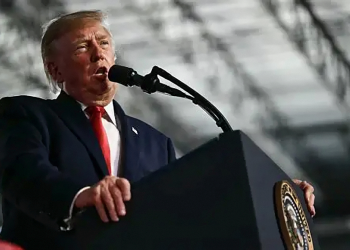
Simultaneously, trade negotiations across the Atlantic add further complexity. US President Donald Trump and Chinese President Xi Jinping are convening in Washington for their third summit in twelve months, where Washington seeks to extend its rare earth export suspensions while maintaining high tariff barriers. European policymakers fear that bilateral US-China pacts could leave Europe isolated, absorbing even greater volumes of diverted Chinese industrial manufacturing.
Trade policy disputes, safeguard quotas, and domestic industrial subsidies remain contentious across European capitals. Observers tracking how executive trade mandates and ministerial negotiations govern continental trade corridors can examine policy shifts via politics.
Connected Infotainment, Electronic Powertrains, and Digital Clearance
The primary selling point driving Chinese hybrid cars in the EU is an aggressive combination of digital technology and low retail pricing. Overseas manufacturers offer advanced smart cockpits, continuous cellular telemetry, and autonomous driver-assistance features as standard options at prices legacy brands reserve for base models. Technology professionals tracking automotive software architectures and electronic propulsion systems follow these innovations through specialized coverage of tech.
At the same time, multinational supply chain networks navigating changing tariff schedules face volatile foreign exchange exposures. Automotive corporate treasuries evaluate programmatic settlement platforms and crypto networks to manage cross-border parts procurement and maintain balance-sheet liquidity during international trade disputes.
Operational Squeeze Across Listed European Automotive Equities
The competitive wave created by Chinese hybrid cars in the EU presents acute balance-sheet risks for established domestic manufacturers. While the Volkswagen Group maintained its volume lead with two million cars sold in the first eight months, legacy OEMs face severe price competition in high-margin segments. Equity research analysts continuously monitor these operating margins and delivery volumes across publicly traded global automotive stocks.
According to formal industry registrations from the European Automobile Manufacturers’ Association (ACEA), defending domestic factory employment requires clear regulatory consistency as consumer demand for hybrid powertrains overtakes pure electric vehicles.
Whether Brussels enacts strict import quotas or secures voluntary caps in October, the surge of Chinese hybrid cars in the EU has permanently transformed European roads. European automakers must quickly adapt their hybrid offerings and protect domestic margins, or risk forfeiting their home market to lower-cost overseas competitors.
Disclaimer:
The information provided in this article is for educational, journalistic, and informational purposes only and does not constitute financial, investment, automotive trade, or legal advice.