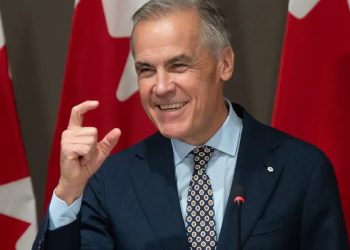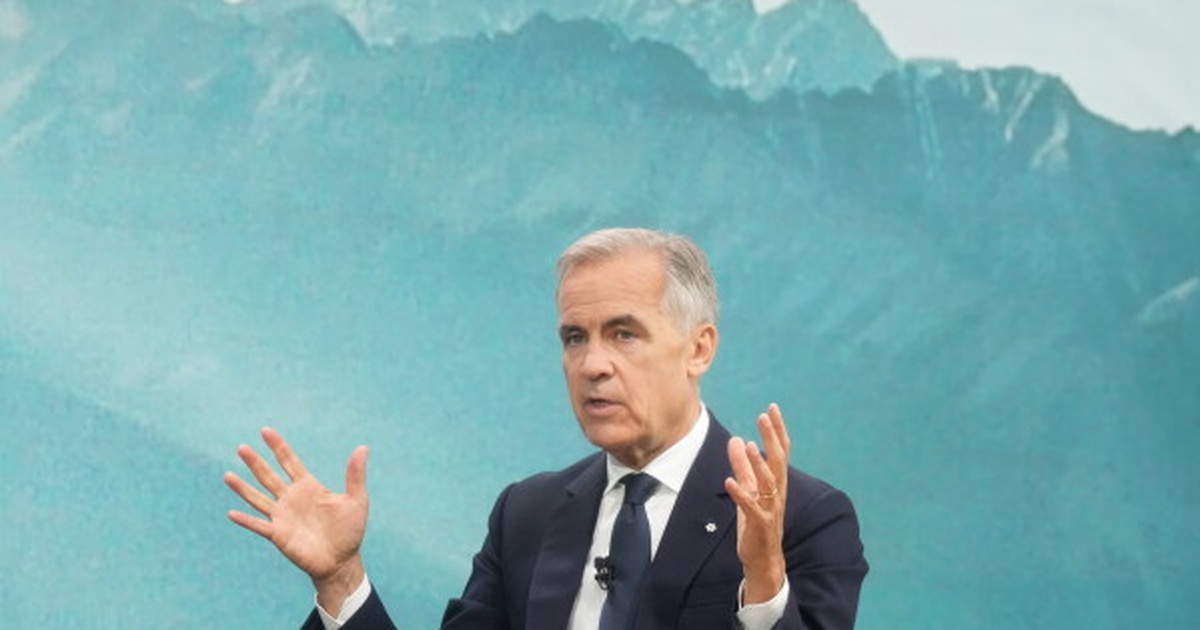
The formal progression of an EU Canada alliance has triggered significant diplomatic debate across global capitals. Addressing European Union lawmakers at the European Parliament in Strasbourg, Canadian Prime Minister Mark Carney delivered an emphatic endorsement of closer transatlantic integration, formally welcoming European Commission President Ursula von der Leyen’s historic proposal to grant Canada “associate member” status within the European bloc. Carney insisted that bilateral integration remains essential to preserving economic sovereignty, arguing that both partners are decisively stronger together when confronting unilateral economic pressure.
This strategic alignment unfolds against mounting geopolitical resistance from Washington. Hours before Carney’s address, United States President Donald Trump openly derided the proposed EU Canada alliance, labeling Brussels’ diplomatic overtures as “laughable” and warning that the White House would impose severe new tariffs or halt selective bilateral trade if the United States interprets the pact as a hostile act. The unfolding dispute underscores how trade alignments are actively reshaping international diplomacy. To monitor how regulatory changes and multilateral diplomacy impact governance across the Atlantic, following focused reporting on politics provides essential perspective.
Why the EU Canada Alliance Is Pivotal for Democratic Sovereignty
Addressing the plenary assembly in Strasbourg, Prime Minister Carney sought to separate the EU Canada alliance from traditional superpower rivalries. The initiative is not aimed at creating an aggressive third geopolitical bloc, but rather at constructing systemic defense mechanisms to insulate domestic industries from coercive trade measures.
“Europe and Canada are each strong. Europe and Canada are even stronger together,” Carney stated to European lawmakers. He explained that neither partner seeks power to dominate foreign nations, emphasizing instead that mutual resilience ensures outside powers cannot manipulate open markets, undermine territorial sovereignty, or weaken democratic legal frameworks.
Both jurisdictions continue to confront aggressive economic competition, ranging from American protectionism to export controls implemented by an increasingly assertive Beijing. The fiscal risks of cross-border tariff disputes invariably impact sovereign debt and trade flows. Analysts tracking the wider macroeconomic ramifications of these international trade tensions can review real-time updates through comprehensive coverage of the economy.
Defusing Accusations of Transatlantic Economic Hostility
The sharp warnings issued by Donald Trump while traveling to North Carolina highlight the volatile commercial environment surrounding the EU Canada alliance. The White House asserted that any cooperative agreement perceived as harmful to American interests would trigger punitive import duties across European goods.
The European Commission moved swiftly to counter Washington’s rhetoric. Commission spokesperson Olof Gill clarified that the initiative—which still requires detailed policy structuring and formal ratification from individual European Union member states is an effort focused entirely on internal capability rather than external confrontation. Officials emphasized that von der Leyen’s vision aims to reinforce collective supply chains and shared democratic standards rather than weaken transatlantic partnerships.
These friction points between traditional allies inject elevated uncertainty into capital allocation strategies. When cross-border trade relationships deteriorate into tariff retaliation, institutional asset allocators frequently reprice risk premiums across international markets.
Critical Minerals, Defense, and High-Tech Integration
A cornerstone of the proposed EU Canada alliance involves securing essential inputs for advanced manufacturing and next-generation computing. Carney identified several strategic sectors earmarked for deep structural collaboration:
- Critical Minerals & Raw Materials: Establishing reliable procurement channels for lithium, nickel, and rare earths to reduce dependency on monopolized supply routes.
- Defense Industrial Capacity: Combining research, military production facilities, and aerospace systems to advance collective security capabilities.
- Artificial Intelligence & Compute Infrastructure: Co-developing high-performance computational clusters to advance technological autonomy.
- Energy Security & Digital Trade: Integrating clean power transmission networks and establishing protected digital transit corridors between Europe and Asia.
The emphasis on sovereign payment networks and modern digital settlement systems reflects broader financial realignments. As central banking authorities scrutinize cross-border clearing friction, institutional participants evaluate whether decentralized liquidity and crypto rails offer viable counter-weights against systemic settlement freezes.
Market Impacts and Transatlantic Enterprise Assets
The strategic evolution of the EU Canada alliance carries direct consequences for industrial conglomerates operating in North America and Western Europe. Heightened tariff rhetoric from Washington threatens to disrupt multinational logistics networks, directly impacting revenue projections for export-reliant manufacturing stocks exposed to transatlantic trade barriers.
According to the official European Commission Trade Portal, bilateral trade between the European Union and Canada has steadily expanded under existing frameworks, making modern associate integration a natural extension of established commerce. Carney affirmed that Canada is not a “fair-weather ally,” emphasizing that enduring economic stability requires institutional collaboration rather than inward-looking isolationism.
As European capitals prepare to debate the formal mechanics of associate membership, the proposed EU Canada alliance stands as a major test of multilateral trade policy. The coming months will determine whether democratic partners can successfully forge an integrated economic buffer, or whether escalating tariff threats from major trading partners will force a retreat into defensive economic postures.
Disclaimer:
The information provided in this article is for educational, journalistic, and informational purposes only and does not constitute financial, legal, diplomatic, or investment advice.