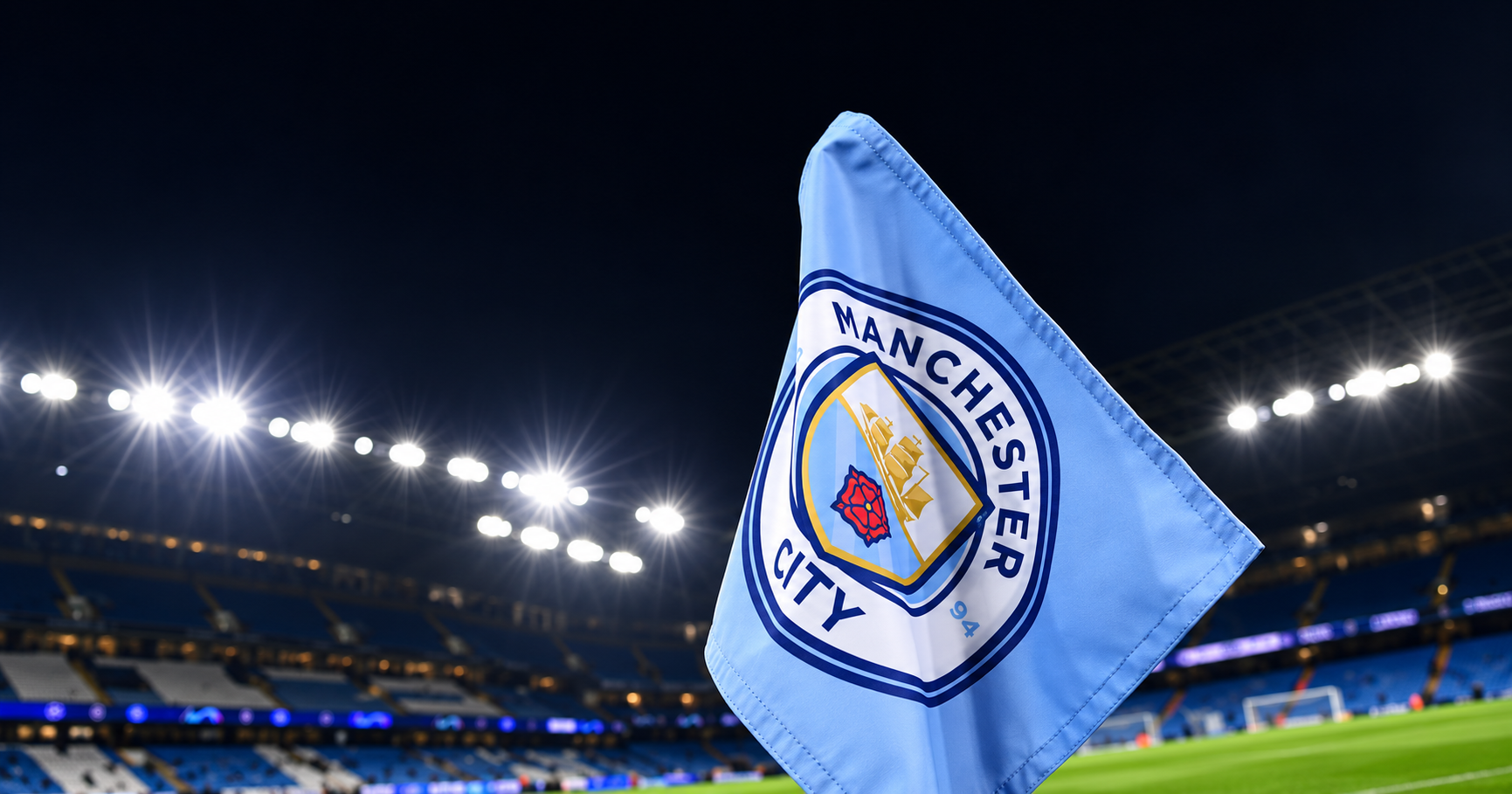
A landmark regulatory confrontation in international sports economics escalated on Wednesday as the Manchester City financial breach verdict advanced into formal appellate litigation, carrying profound implications for European football’s governing bodies. Following an independent commission’s decision finding the reigning English champions guilty of more than 100 breaches of competition rules including an orchestrated scheme that disguised £830 million in direct equity funding as third-party commercial sponsorship over nine seasons the club submitted its official appeal ahead of the statutory deadline. However, domestic
The protracted dispute demonstrates how state-backed sovereign investments and corporate balance-sheet compliance are fundamentally testing statutory self-regulation across modern sports conglomerates. Because the commission upheld findings linking five separate charges directly to European Financial Fair Play (FFP) directives, the risk of multi-year European tournament exclusions has resurfaced. For sports private equity allocators, sovereign wealth researchers, and corporate credit analysts evaluating franchise balance-sheet exposures, comprehensive European financial news provides indispensable perspective on sports enterprise valuations, governance litigation, and legal compliance.
The £830M Disguised Funding Scheme: Anatomy of the Verdict
The core commercial finding anchoring the Manchester City financial breach verdict centers on historic capital injections funneled into the club between 2009 and 2018. The independent regulatory commission concluded that ownership groups systematically masked sovereign shareholder cash injections as arms-length commercial sponsorship revenue:
- The Scale of Capital: Over £830 million was injected across nine consecutive campaigns, inflating reported commercial income to meet domestic and European break-even spending constraints.
- The “Concocted” Defense: The commission explicitly rejected the club’s argument that funding flowed from the sovereign government of Abu Dhabi rather than direct equity holders, labeling the explanation a retrospective concoction designed to conceal the disguised funding mechanism.
- Sovereign Entanglement: Majority control rests under Sheikh Mansour bin Zayed Al Nahyan’s Newton Investment and Development LLC, whose senior ministerial roles within the United Arab Emirates have long complicated the regulatory boundary between sovereign state funds and private sports investments.
- Club Innocence Maintained: City issued a strongly worded denial, stating: “The club is innocent of the accusations made by the Premier League and a comprehensive body of irrefutable evidence exists in support of all of its positions.”
Regulatory enforcement against balance-sheet irregularities directly affects broadcasting syndicate distributions, institutional corporate sponsorships, and club franchise multiples. Economists analyzing how regulatory governance impacts sports enterprise balance sheets follow macro developments via the InvestorBytes financial portal.
UEFA Waiting in the Wings: The 2027 Disciplinary Trigger
While current headlines focus on domestic appeals, the broader strategic danger in the Manchester City financial breach verdict lies in Nyon, Switzerland. Official representatives at UEFA confirmed they are monitoring the ongoing Premier League process, holding five active Financial Fair Play charges in reserve:
- Sequential Litigation Strategy: Rather than expending resources on parallel hearings, European football’s governing body is waiting for a settled factual record from the English courts before pursuing its own disciplinary action.
- Pre-Established Guilt: If the domestic verdict is upheld on appeal, UEFA will inherit an established evidentiary record showing Financial Fair Play non-compliance, leaving the club vulnerable to continental tournament bans.
- Absence of Statute Limitations: In 2020, the Court of Arbitration for Sport (CAS) overturned a two-year UEFA European ban largely because UEFA’s internal five-year statute of limitations rendered key 2018 email leaks time-barred. The Premier League operates under no statutory limitation period, exposing 15 years of audited accounts to scrutiny.
Sports franchise debt securitizations, stadium infrastructure financings, and cross-border commercial partnerships require robust regulatory stability. Observers monitoring institutional sports investments track structural legal updates through InvestorBytes macro reports.
International sports arbitration frameworks and regulatory policy revisions continue to shape sovereign wealth capital allocation, an issue analyzed in European policy updates.
The Procedural Timeline Battle: Fast-Track Rules vs. 2027 Realities
A decisive procedural battle within the Manchester City financial breach verdict centers on regulatory timing. Under recently enacted Premier League fast-track rules, the appeal process faces strict operational deadlines:
- The Accelerated Schedule: The standard process allows 12 weeks to complete filings, mandating an appeal hearing capped at five consecutive days before an independent three-member panel, which must deliver its finding within 30 days—targeting late January.
- Retroactivity Challenges: Club attorneys are preparing to argue that the expedited appellate framework was only codified into the league handbook this season, contending that a dispute initiated in 2023 cannot be subject to retroactive procedural acceleration.
- Litigation Drift: Legal experts note that successful procedural challenges regarding evidentiary disclosure and panel jurisdiction could extend final resolution deep into 2027.
Chief financial officers and commercial risk directors managing international corporate rights follow compliance strategies on the InvestorBytes homepage.
The interaction between regulatory compliance standards and franchise asset protection continues to shape corporate risk models reviewed in InvestorBytes corporate analysis.
Forensic Telematics, Auditing Standards, and Financial Technology
Unpacking the complex paper trails underlying the Manchester City financial breach verdict highlights the growing reliance on modern financial forensics. Regulatory commissions and forensic accountants deploy computerized ledger reconciliation, algorithmic banking flow analysis, and secure digital discovery tools to cross-reference multi-layered corporate accounts across global jurisdictions. Technology specialists tracking forensic auditing software and digital corporate registries follow compliance innovations via InvestorBytes digital finance.
At the same time, multinational sporting conglomerates managing global player amortization schedules face multi-currency clearing friction. Advanced sports finance syndicates are evaluating programmable smart-contract ledgers and automated escrow clearing to ensure regulatory transparency in future transfer disbursements, an evolution examined in international capital analyses.
Shifting capital distributions and sovereign regulatory enforcement continue to influence liquidity across sports debt and equity desks tracked in continental market coverage.
Capital Market Implications for Listed Football and Media Assets
The continuing fallout from the Manchester City financial breach verdict carries profound implications for publicly traded sports equities and broadcast media networks. Rival top-flight clubs are aggressively lobbying for severe retrospective sporting sanctions—including multi-year point deductions, title stripping, or demotion—to enforce fair competition standards. Institutional asset managers continuously evaluate broadcast rights valuations, corporate sponsorship risks, and enterprise multiples across listed European football InvestorBytes equity intelligence.
Corporate treasurers, franchise underwriters, and private equity investors monitor sovereign capital rules and international sports litigation through the InvestorBytes publication.
As legal teams prepare for an intense appellate process, the Manchester City financial breach verdict serves as a historic watershed for European sports governance. With UEFA preparing potential action for 2027, the coming months will determine not only Manchester City’s financial standing and sporting prestige, but also the future enforceability of financial sustainability regulations across global football.
Disclaimer:
The information provided in this article is for educational, journalistic, and informational purposes only and does not constitute financial, investment, legal, or sporting regulatory advice.