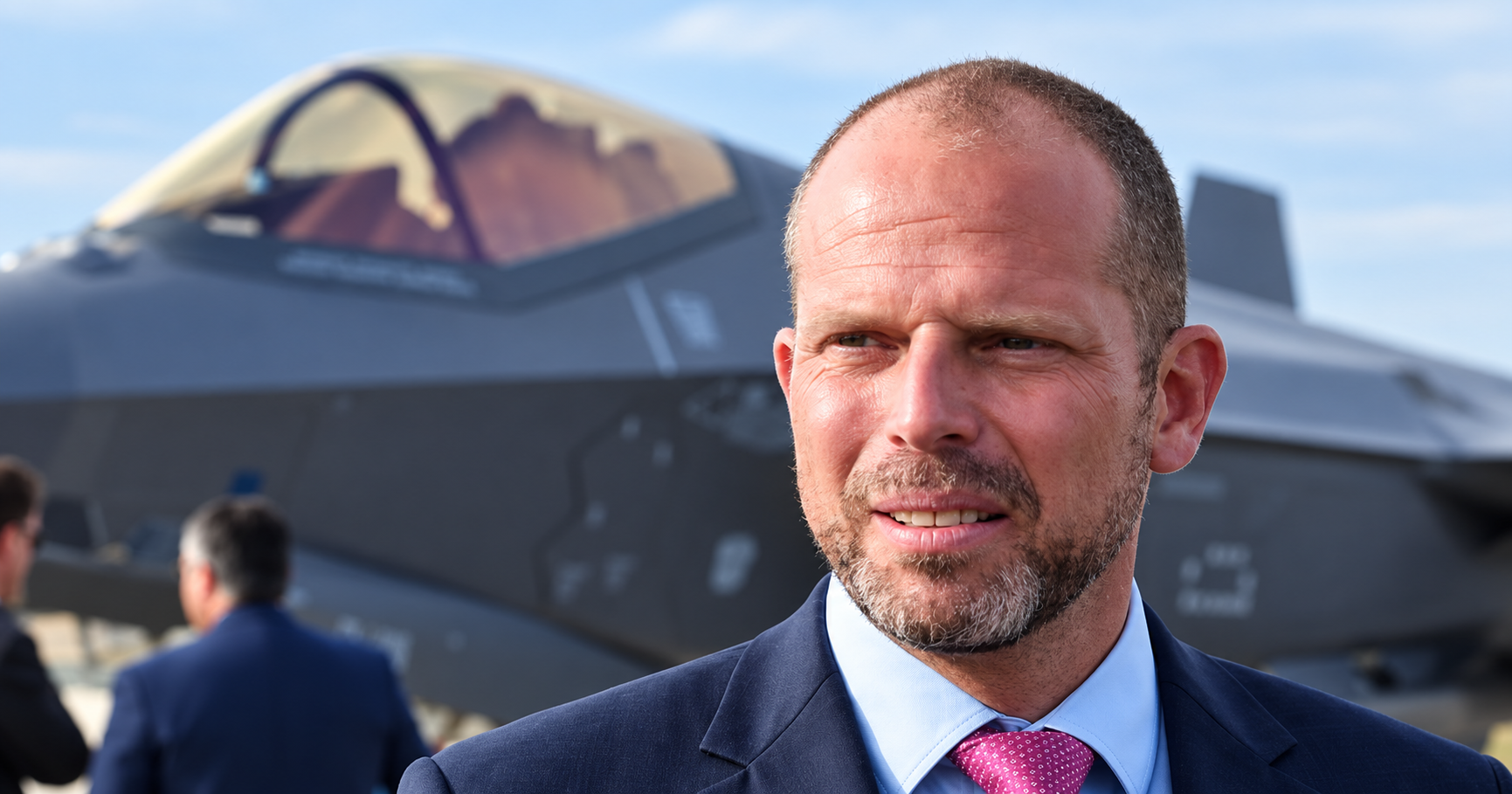
A stark strategic appraisal resonated through the European Union’s diplomatic core as the Theo Francken European defence warning alerted sovereign leaders to an impending period of asymmetric confrontation. Delivering an address at the Euronews Defence Summit in Brussels on Wednesday, Belgian Defence Minister Theo Francken cautioned that the continent must prepare for an intensifying wave of hostile actions orchestrated by Moscow, predicting a “dark winter” defined by disruptive hybrid maneuvers and uncrewed aerial incursions. The defense minister identified Russian aggression as the paramount threat to domestic Belgian security, insisting that Western capitals must dramatically accelerate weapons procurement, expand munitions stockpiles, and scale industrial defense production to avoid strategic overreach.
The minister’s intervention reflects mounting anxiety across NATO capitals as conventional territorial warfare in Eastern Europe expands into covert airspace violations, cyber sabotage, and infrastructure intimidation within Western Europe. When frontline ministers openly question the pace of European military readiness, the warnings directly influence sovereign budget negotiations, national debt ceilings, and continental rearmament timetables. For defense policy directors, national security strategists, and public administration executives evaluating how modern defense doctrines reshape statecraft, comprehensive newsroom reporting on politics provides essential intelligence on European security policy.
Air Defense Imperatives: Countering Jet-Powered Drone Incursions
The core operational urgency underpinning the Theo Francken European defence warning centers on an immediate deficiency in layered ground-to-air defense systems. Belgium itself has experienced multiple unexplained drone incursions throughout 2026, several of which forced aviation authorities to temporarily suspend civilian flight operations at major transport hubs.
Reflecting on the evolving aerial threat environment, Francken offered a blunt assessment of continental priorities: “Russia, air attack, air attack, air attack. This is the biggest threat. So we need air defence, air defence, air defence.”
The Belgian defense chief specifically noted that European military planners must integrate battle-tested Ukrainian interception technologies to counter fast, high-altitude Russian jet-powered uncrewed aerial systems. Emphasizing the requirement for speed across every tier of military supply, he warned: “We need to have more stocks, more production, scale up production, and a large industrial base. Everything has to go faster. There will be more hybrid threat actions in the next few months. It will be a dark winter for Europe.”
Francken highlighted that Moscow possesses decades of specialized doctrine in asymmetric warfare, meaning that European armed forces cannot rely solely on stockpiling static inventories: “I don’t want to have 200,000 drones somewhere in a stock, and in two months you cannot even use them because they’re outdated. So we have to adapt.”
Sovereign spending commitments directed toward rapid defense industrial retooling directly reshape municipal budgets, infrastructure allocations, and national debt trajectories. Economists analyzing how heightened military outlays and state deficit financing alter long-term sovereign productivity track structural indicators through regular coverage of the broader economy.
Overcoming Neglect: The Fiscal Realities of NATO’s ‘Worst Pupil’
A key dimension of the Theo Francken European defence warning addressed Belgium’s historical underinvestment in conventional deterrence. Characterizing his nation as having long performed as the “worst pupil of the NATO class,” Francken pointed out that Belgian military expenditure had languished at approximately 1% of gross domestic product for decades.
While the Belgian government has moved aggressively to double its nominal defense allocations, the minister conceded that four decades of structural neglect cannot be reversed within an 18-month legislative window. Belgium continues to manage the European Union’s highest debt-to-GDP ratio and operates under severe budgetary deficits, constraining the state’s fiscal flexibility.
Consequently, while Brussels remains committed to meeting the baseline NATO target of 2% of GDP, Francken dismissed calls from defense hawks to allocate 5% of economic output toward the armed forces as entirely unrealistic in the near term.
Shifting geopolitical risk premiums, military mobilization orders, and emergency defense bond issuances continue to alter capital distribution across European financial markets.
Counter-UAS Networks, Telemetry, and Digital Settlement Systems
The practical execution demanded by the Theo Francken European defence warning requires continuous innovation in electronic defense technology. Military laboratories and defense contractors are actively developing automated counter-drone sensor networks, algorithmic electronic warfare jammers, and radar tracking arrays capable of detecting low-radar-cross-section threats. Technology specialists following digital battlefield networks and autonomous threat classification follow innovations via tech.
At the same time, multinational defense joint ventures assembling precision radar components and interceptor batteries across multiple member states face cross-border procurement friction. Forward-looking corporate defense finance desks increasingly examine programmable liquidity architectures and crypto networks to execute transparent, milestone-triggered clearing for specialized electronic sub-components, avoiding standard commercial banking delays during fast-tracked procurement cycles.
Valuation Implications for Publicly Listed Aerospace and Defense Equities
The defense imperatives outlined in the Theo Francken European defence warning provide sustained order-book catalysts for the European defense industrial base. Demands for immediate scale in air defense batteries, radar systems, and counter-drone munitions ensure that defense contractors will experience sustained backlog growth through the decade. Institutional equity analysts track these multi-year government procurement programs and margin structures across publicly traded aerospace, security, and industrial stocks.
According to formal ministerial policy papers and defense audit reports from the North Atlantic Treaty Organization (NATO), accelerating military interoperability and joint procurement represents the primary prerequisite for credible European deterrence.
Institutional portfolio managers and risk analysts also monitor corporate balance sheets and sovereign debt exposure across broader business & finance channels.
As European capitals brace for seasonal winter weather and potential infrastructure sabotage, the Theo Francken European defence warning serves as a stark reminder of Europe’s defense reality. In a deteriorating security landscape characterized by rapid drone development and hybrid aggression, administrative delays are no longer tenable; industrial output and air defense capacity must expand immediately to protect continental stability.
Disclaimer:
The information provided in this article is for educational, journalistic, and informational purposes only and does not constitute defense procurement, military, legal, or investment advice.