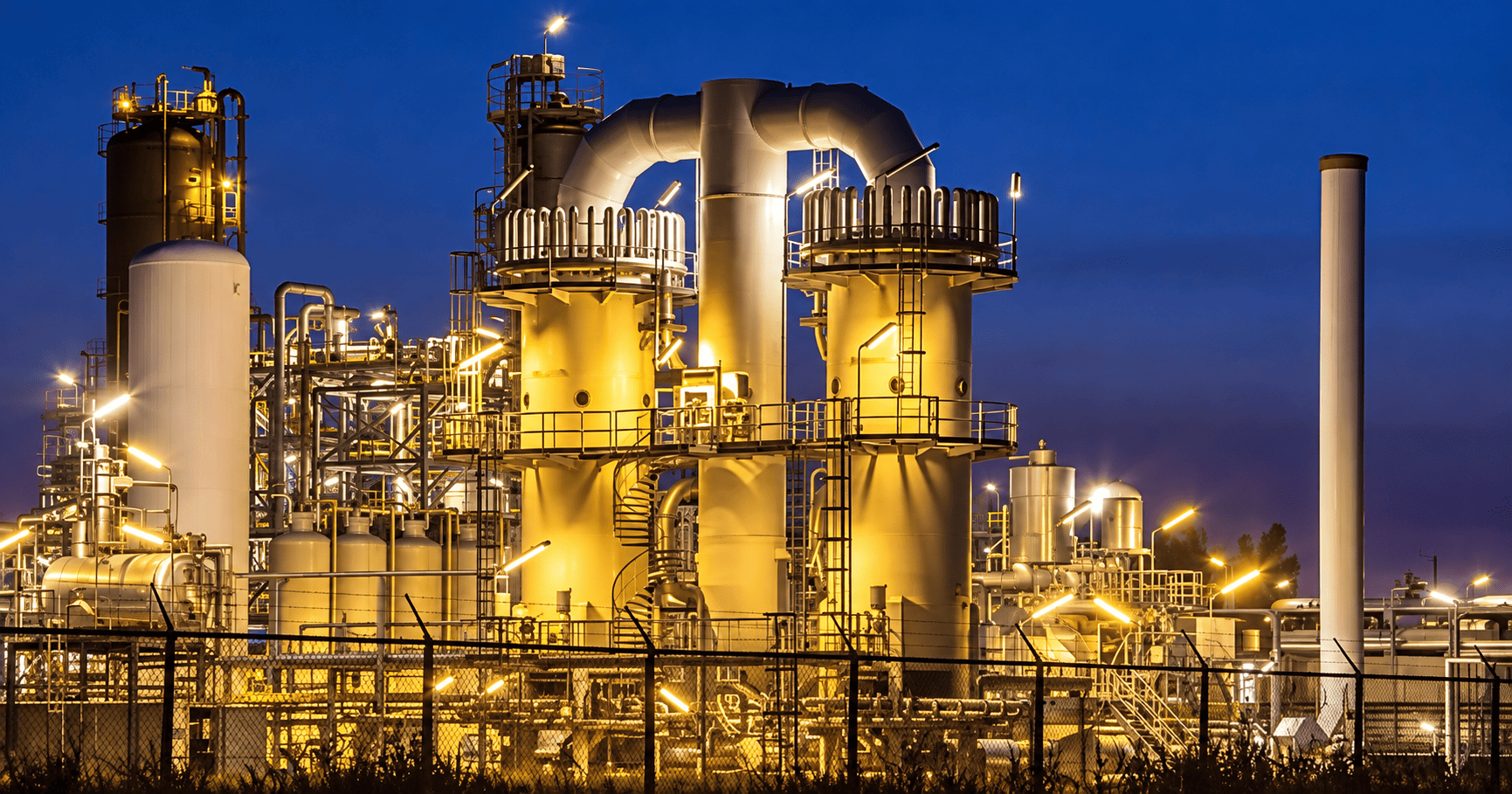
A sharp escalation in bilateral trade confrontation erupted over the weekend as the China EU chemical anti dumping probe officially initiated by Beijing targeted European Union chemical shipments. In an announcement released by the Ministry of Commerce in Beijing on Saturday, Chinese authorities confirmed they have initiated a formal anti-dumping investigation into European exports of p-nitrotoluene a vital organic compound extensively utilized in the industrial synthesis of dyes, pharmaceutical precursors, agricultural pesticides, and color pigments. The retaliatory move follows three separate anti-dumping proceedings launched by the European Commission against Chinese chemical manufacturers and lands ahead of crunch bilateral negotiations between top trade officials.
The regulatory friction reflects the worsening trade imbalance between the two economic blocs. With the European Union’s bilateral trade deficit running at approximately €1 billion a day, Brussels has signaled increasing willingness to deploy anti-dumping duties, unilateral market defense tools, and supply-chain diversification mechanisms. Beijing’s countermeasure indicates that the Asian giant will not absorb European trade defense instruments without calculated commercial retaliation against vulnerable European manufacturing hubs. For corporate trade directors, export compliance officers, and public policy advisors assessing how industrial tariffs alter international market access across sovereign borders, comprehensive reporting across politics provides essential intelligence on European institutional governance.
Dissecting the Dispute: P-Nitrotoluene Volumes and Price Collapses
The legal justification driving the China EU chemical anti dumping probe centers on allegations brought by Chinese domestic petrochemical manufacturers. According to the Ministry of Commerce (MOFCOM), preliminary trade data submitted by domestic complainants revealed that while European exports of p-nitrotoluene to Chinese coastal ports remained at high volume levels between 2022 and 2025, export prices dropped by approximately 60% over the period.
Chinese trade authorities maintained that this price collapse met the threshold to establish a prima facie case under domestic trade law and World Trade Organization (WTO) rules:
- Material Injury Allegations: Beijing stated that low-cost European chemical imports caused measurable harm to the production, operational capacity, and margins of domestic manufacturers.
- Statutory Investigation Timeline: The Ministry of Commerce confirmed the investigation commenced on Saturday, October 3, 2026, and is scheduled to conclude within twelve months, with a potential six-month statutory extension under special circumstances.
- Tit-for-Tat Escalation: The probe follows the European Commission’s decision to open three anti-dumping investigations into Chinese chemical imports, including polyvinyl chloride (PVC) derivatives.
- High-Level Talks in Beijing: The action unfolds as EU Trade Commissioner Maroš Šefčovič prepares to travel to Beijing for urgent trade negotiations with Chinese Commerce Minister Wang Wentao.
Escalating tariff retaliations, cross-border anti-dumping assessments, and industrial quota reductions directly alter manufacturing costs, consumer goods inflation, and factory throughput. Economists tracking how structural trade barriers, export restrictions, and international supply dislocations reshape aggregate productivity follow long-term indicators through dedicated coverage of the broader economy.
Strategic Trade Leverage and Sectoral Countermeasures
The tactical timing behind the China EU chemical anti dumping probe illustrates Beijing’s playbook for handling trade disputes with Brussels. In past disputes where the European Commission levied punitive tariffs on Chinese industrial goods most notably battery-electric vehicles and green energy hardware Chinese authorities responded by targeting politically sensitive European exports, such as French cognac, Spanish pork, and dairy products.
By launching a probe into specialized intermediate chemicals, Beijing is exerting pressure directly on European industrial heartlands, including Germany’s struggling chemical manufacturing corridor in Bitterfeld and North Rhine-Westphalia. The European chemical sector already faces elevated domestic electricity costs and volatile feedstock prices, making loss of access to Asian buyers particularly challenging.
Concurrently, Brussels is weighing broader measures, including voluntary export restrictions on Chinese plug-in hybrid electric vehicles and mandatory diversification tools to reduce critical import dependencies ahead of the European Council summit.
Managing international supply disruptions and monitoring multinational corporate balance sheets remains an ongoing priority for financial directors. Readers tracking corporate trade exposures, working capital facilities, and enterprise cash flows can access comprehensive industry analysis through business & finance reporting.
Chemical Logistics, Supply-Chain Telematics, and Digital Rails
The operational friction introduced by the China EU chemical anti dumping probe is pushing logistics providers toward digital tracking architectures. Multimodal bulk chemical shippers are deploying IoT-enabled container sensors, automated customs documentation platforms, and predictive freight routing to navigate shifting port clearances. Technology specialists and systems engineers tracking industrial supply chain software and automated logistics management follow technical developments via tech.
At the same time, international chemical trading desks and bulk distribution consortia operating across European and Chinese jurisdictions face currency settlement frictions. Forward-looking commodity treasuries are evaluating programmable liquidity systems and stablecoins on crypto networks to execute transparent, escrow-backed cross-border payments for specialized intermediate compounds, bypassing commercial correspondent banking delays during high-tariff periods.
Shifting export tariffs and regulatory investigations continue to introduce pricing volatility across global commodity and chemical markets.
Equity Realities for Publicly Listed Chemical and Industrial Equities
The legal progression of the China EU chemical anti dumping probe carries direct valuation implications for institutional equity managers. European specialty chemical producers and conglomerate operators including BASF, Covestro, and Arkema must balance margin compression in Asian export markets against rising compliance costs. Institutional equity research desks continuously evaluate export revenue exposures, price-realization trends, and operating margins across publicly traded chemical and industrial stocks.
According to formal trade statistics published by the World Trade Organization (WTO), multilateral adherence to non-discriminatory anti-dumping standards remains essential to preventing unilateral tariff escalations from disrupting global industrial supply chains.
As Maroš Šefčovič and Wang Wentao prepare for high-level meetings in Beijing, the China EU chemical anti dumping probe highlights the narrow diplomatic path ahead. With European factories struggling to compete against foreign imports and Beijing actively defending its industrial footprint, the risk of a wider trade conflict between the two economic powers continues to grow.
Disclaimer:
The information provided in this article is for educational, journalistic, and informational purposes only and does not constitute financial, investment, legal, or trade compliance advice.