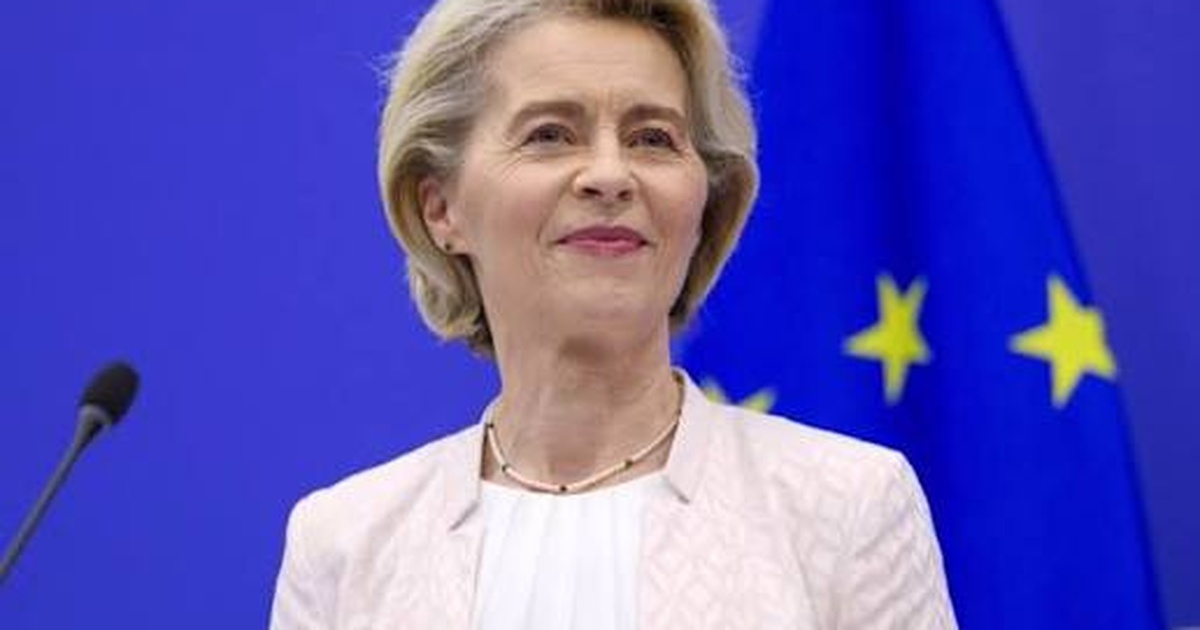
The historic proposition of granting EU associate membership to Canada has ignited an intense geopolitical debate over whether the United Kingdom could eventually secure a comparable status. Addressing the European Parliament in Strasbourg during her annual State of the European Union address, European Commission President Ursula von der Leyen formally invited Ottawa to become the European Union’s inaugural associate partner. The proposal aims to construct an expansive “Alliance for the Future” between Brussels and Ottawa, insulating both powers from volatile protectionist measures originating in Washington while creating an integrated economic security space.
This diplomatic innovation represents an unprecedented shift in external European integration. By looking beyond the physical borders of the continent to anchor strategic alliances, European policymakers are fundamentally redrawing the parameters of international diplomacy. For corporate strategists, trade lawyers, and analysts assessing how structural changes in treaty frameworks influence European governance, keeping pace with dedicated reporting on politics provides essential depth on multilateral negotiations.
Understanding the Foundations of EU Associate Membership
The strategic initiative behind offering EU associate membership to Canada stems from Ottawa’s acute vulnerability to shifts in American trade policy, with roughly 70% of Canadian exports bound for United States markets. Addressing European parliamentarians in Strasbourg, Canadian Prime Minister Mark Carney delivered an impassioned defense of shared democratic resilience, noting that while Europe and Canada are individually strong, their collective leverage increases substantially when aligned.
“The objective is not self-sufficiency. It is collective resilience,” Carney remarked, welcoming Brussels’ invitation to advance beyond the existing Comprehensive Economic and Trade Agreement (CETA). Canadian officials confirmed that informal discussions surrounding EU associate membership had been underway prior to von der Leyen’s speech. Rather than pursuing full European Union accession—which would necessitate ceding sovereign domestic authority under Article 49 of the EU Treaty Ottawa seeks an institutional model that stops just short of membership while securing mutual visa-free mobility for skilled workers.
This unprecedented bilateral framework directly targets advanced manufacturing, quantum computing, space exploration, and artificial intelligence infrastructure. Analysts monitoring how cross-border trade realignments and sovereign industrial policies influence global financial flows can follow macroeconomic indicators through comprehensive coverage of the economy.
Defense Integration: Canada Joins the €150 Billion SAFE Program
A tangible indicator of Canada’s rapid integration into continental structures is its landmark accession to the European Union’s €150 billion Strategic Armament for Europe (SAFE) defense initiative. As the first non-European sovereign nation admitted into the framework, Canada gained direct access to joint military procurement pipelines aimed at accelerating continental defense readiness.
Such large-scale industrial partnerships inevitably shape private capital allocations. Defense industrial integration directs billions into joint research, high-tech supply chains, and sovereign manufacturing corridors. Institutional asset managers closely track these shifts, as structural defense spending drives liquidity movements across international markets.
The emphasis on economic security within EU associate membership also encompasses secure digital settlement mechanisms, sovereign payment rails, and cross-continental communications infrastructure. In response to rising geopolitical friction across legacy clearing systems, institutional participants actively evaluate alternative digital ledgers and crypto rails as hedges against cross-border capital controls.
Could Post-Brexit Britain Secure a Comparable EU Associate Membership?
The unveiling of EU associate membership for a North American partner has immediately provoked scrutiny across Westminster. With British political figures advocating for a deeper post-Brexit “reset” with the European Union, questions have mounted over whether London could negotiate an equivalent bespoke arrangement.
However, senior European diplomats have quickly pushed back against extending this model to the United Kingdom:
- The Geographic Barrier: Under European Union precedent, bespoke EU associate membership is increasingly conceptualized as a mechanism reserved exclusively for external partners that cannot geographically join the European Union under standard accession treaties.
- The “All-or-Nothing” Principle: Brussels officials maintain that European nations such as the UK, Norway, Ukraine, and Moldova—already possess a defined constitutional pathway through full accession under Article 49, precluding them from cherry-picking associate benefits without accepting single market obligations.
- Persistent Bilateral Disputes: Preparations for an upcoming UK-EU summit to finalize reset negotiations remain stalled by contentious negotiations surrounding youth mobility programs, fisheries access, and industrial steel tariffs.
These structural trade barriers continue to weigh on British exporters and domestic manufacturing stocks heavily reliant on frictionless European distribution channels.
Institutional Roadblocks and the Path to the October Summit
Because no treaty provision currently outlines the formal governance of EU associate membership, Brussels and Ottawa are effectively designing the blueprint from scratch. As noted by the European Parliament Official Portal, any unprecedented association framework extending single market benefits or strategic joint procurement requires unanimous approval from all 27 individual European Union member states.
Jonathan Wilkinson, Canada’s ambassador-designate to the EU, emphasized that negotiators are deliberately prioritizing policy substance over nomenclature ahead of the bilateral Canada-EU summit in October, where formal structural parameters are expected to be finalized.
Whether EU associate membership becomes a functional trade model or remains an aspirational concept will depend on the upcoming October summit. For Canada, it offers a vital economic hedge against trade unilateralism; for the United Kingdom, it serves as a stark reminder of the unique institutional barriers separating post-Brexit Britain from the European mainstream.
Disclaimer:
The information provided in this article is for educational, journalistic, and informational purposes only and does not constitute legal, trade policy, financial, or investment advice.