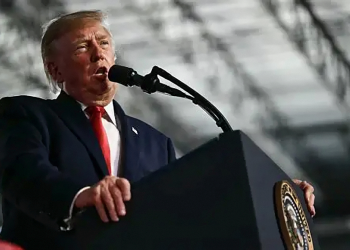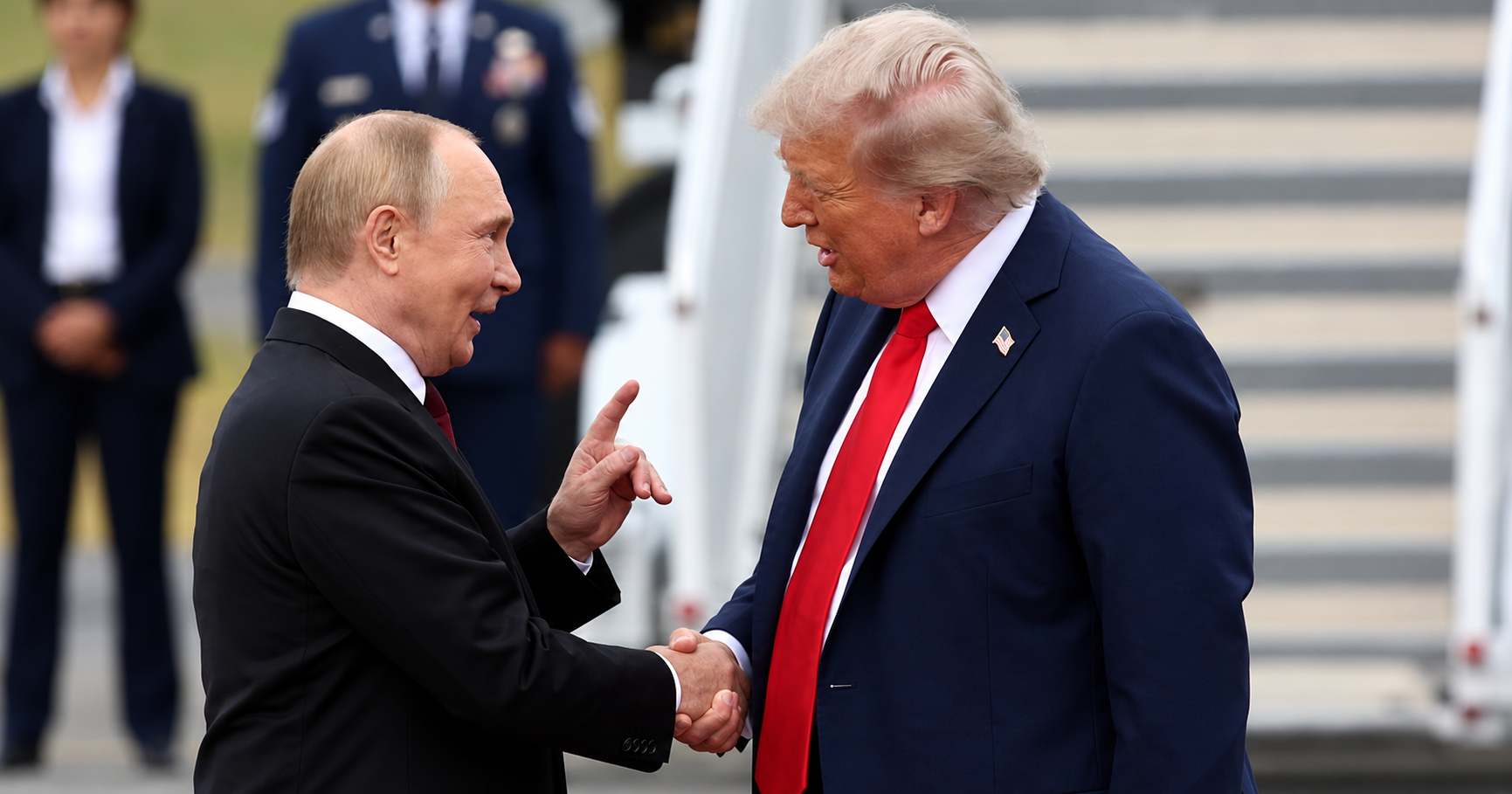
A serious diplomatic fracture within the transatlantic alliance emerged on Saturday as the EU slams Trump Putin diesel deal following Washington’s unexpected decision to grant temporary sanctions relief for Russian refined petroleum exports. European Union High Representative for Foreign Affairs Kaja Kallas issued a sharp condemnation from Brussels, warning that lifting sanctions on Russian middle distillates provides Moscow with direct budgetary inflows to finance its protracted war effort against Ukraine. The bilateral arrangement, announced by US President Donald Trump following direct telephone deliberations with Russian President Vladimir Putin, allows hundreds of thousands of metric tons of Russian diesel to enter American and global distribution channels under temporary US Treasury licensing waivers.
The controversial agreement exposes a sharp policy divide between Washington’s domestic electoral calculations and Brussels’ commitment to total economic containment of the Russian Federation. Facing persistent consumer inflation and soaring retail fuel costs less than a month ahead of high-stakes US midterm elections, the White House opted to alleviate pump prices by unlocking Russian refinery supplies. Conversely, European leaders view the unilateral waiver as an erosion of Western sanctions cohesion that directly undercuts continental security guarantees. For commodity trading desks, cross-border energy hedge funds, and geopolitical risk analysts navigating volatile energy markets, comprehensive European financial news provides critical perspective on international sanctions compliance, refined product flows, and macroeconomic policy shifts.
Kaja Kallas Leads the Backlash: “Not the Time to Ease Pressure”
The core diplomatic friction escalating as the EU slams Trump Putin diesel deal centers on Europe’s refusal to relax economic pressure on the Kremlin:
- The High Representative’s Warning: High Representative Kaja Kallas stressed that recent military strikes killed dozens of Ukrainian civilians while hybrid infrastructure attacks continue targeting European Union and NATO members.
- Denial of War Revenues: Kallas stated explicitly that suspending sanctions on Russian diesel shipments provides Moscow with “more revenues to wage war,” adding resolutely: “This is not the time to ease pressure on Russia, and Europe won’t.”
- Escalating EU Sanctions Packages: Defying the American policy shift, Kallas announced that European foreign ministers will convene on Monday to ratify the largest package of individual and entity sanctions against Russia’s military supply network since the conflict began.
- Official Diplomacy Portals: Authoritative diplomatic declarations cataloged by the European External Action Service affirm that European airspace, maritime ports, and terminal infrastructure remain legally closed to Russian refined petroleum products.
Middle distillate crack spreads, physical tanker chartering rates, and regional wholesale fuel benchmarks directly impact corporate supply chains. Commodity portfolio managers monitoring refining margins and regulatory trade restrictions follow real-time updates through the InvestorBytes financial portal.
The Washington-Moscow Arrangement: Midterm Pressures vs. Global Sanctions
The operational mechanism drawing outrage as the EU slams Trump Putin diesel deal involves a rapid reopening of maritime fuel export corridors:
- Immediate Delivery Volumes: Trump announced that Russia will immediately export over 300,000 metric tons of diesel into global maritime trade, with scheduled deliveries escalating by another 500,000 tons in November.
- Projected Supply Expansion: White House statements signaled subsequent tranches reaching between 1 million and 3 million tons over the winter cycle, contingent upon Russian refinery operational capacities.
- The US Treasury General License: To facilitate delivery, the US Department of the Treasury issued a temporary general license exempting specific Russian diesel cargoes loaded onto commercial product tankers.
- Electoral Motivations: With all 435 seats in the US House of Representatives and one-third of the Senate contested in November, soaring diesel prices—averaging above $4.60 per gallon—forced the administration to prioritize domestic cost-of-living relief over transatlantic consensus.
Sanctions compliance frameworks, maritime insurance restrictions, and cross-border energy flows heavily shape global commodity pricing. Analysts evaluating international freight expenses and sovereign regulatory mandates track systemic risks via InvestorBytes macro reports.
Sovereign energy security directives and multilateral sanctions regimes continue to alter continental trade patterns, an area examined in European policy updates.
European Continental Resistance: National Capitals Reject Russian Product
While Washington moves to accept Russian tankers, the backlash as the EU slams Trump Putin diesel deal extends across national European leadership:
- Germany Enforces Full Embargo: Berlin confirmed that under no circumstances will Russian-origin diesel be permitted to enter German territory or Rhine logistics corridors, affirming that support for Ukraine remains absolute.
- Nordic and Baltic Outrage: Finnish leadership described the agreement as a profound strategic disappointment, while Estonian Prime Minister Kristen Michal condemned the sanctions waiver as a severe miscalculation.
- Targeting Refining Infrastructure: Baltic officials reiterated calls for expanded Western military aid to Ukraine to systematically disrupt Russian refining capacity rather than providing Moscow with emergency export lifelines.
Corporate logistics executives and fleet operators managing multi-jurisdictional transport businesses monitor regulatory diesel rack rates on the InvestorBytes homepage.
The complex relationship between energy cost inflation, unilateral trade sanctions, and industrial competitiveness is analyzed in InvestorBytes corporate analysis.
Maritime Telematics, Sanctions Enforcement, and Automated Verification
Managing the compliance divide resulting from the EU slams Trump Putin diesel deal requires advanced maritime logistics telematics. International shipping syndicates deploy satellite Automatic Identification System (AIS) tracking, cargo chemical origin testing, and automated vessel tracking to ensure that Russian cargoes entering US waters do not cross into European ports. Technology specialists tracking commodity tracking software follow regulatory systems through InvestorBytes digital finance.
Concurrently, European trading houses and maritime insurers managing compliance documentation face heightened liability risks. Multinational legal and banking consortia are deploying programmable trade finance screening tools and automated proof-of-origin ledgers to prevent accidental exposure to sanctioned Russian energy trades, an operational shift documented in international capital analyses.
Shifting capital distributions and sovereign regulatory mandates continue to influence liquidity across energy and industrial desks tracked in continental market coverage.
Capital Market Implications for European Energy Equities and Refiners
The diplomatic friction following the development where the EU slams Trump Putin diesel deal carries substantial implications for equity portfolio allocators. As Russian diesel flows toward non-European markets, domestic European refiners maintain high utilization rates to cover the continent’s middle-distillate deficit without Eastern imports. Integrated European energy producers and independent coastal terminal operators are capturing strong crack spread margins. Institutional equity research desks continuously evaluate refining margins, sanctions liability risks, and energy sector balance sheets through InvestorBytes equity intelligence.
Corporate treasurers, energy commodity traders, and institutional equity managers track European sanctions enforcement and transatlantic trade via the InvestorBytes publication.
As European foreign ministers prepare to expand sanctions in Brussels, the fallout as the EU slams Trump Putin diesel deal marks a turning point in Western geopolitical alignment. By refusing to ease pressure on Moscow, the European Union is establishing an independent energy security path, choosing strict sanctions enforcement over short-term fuel price relief.
Disclaimer:
The information provided in this article is for educational, journalistic, and informational purposes only and does not constitute financial, investment, legal, or energy procurement advice.