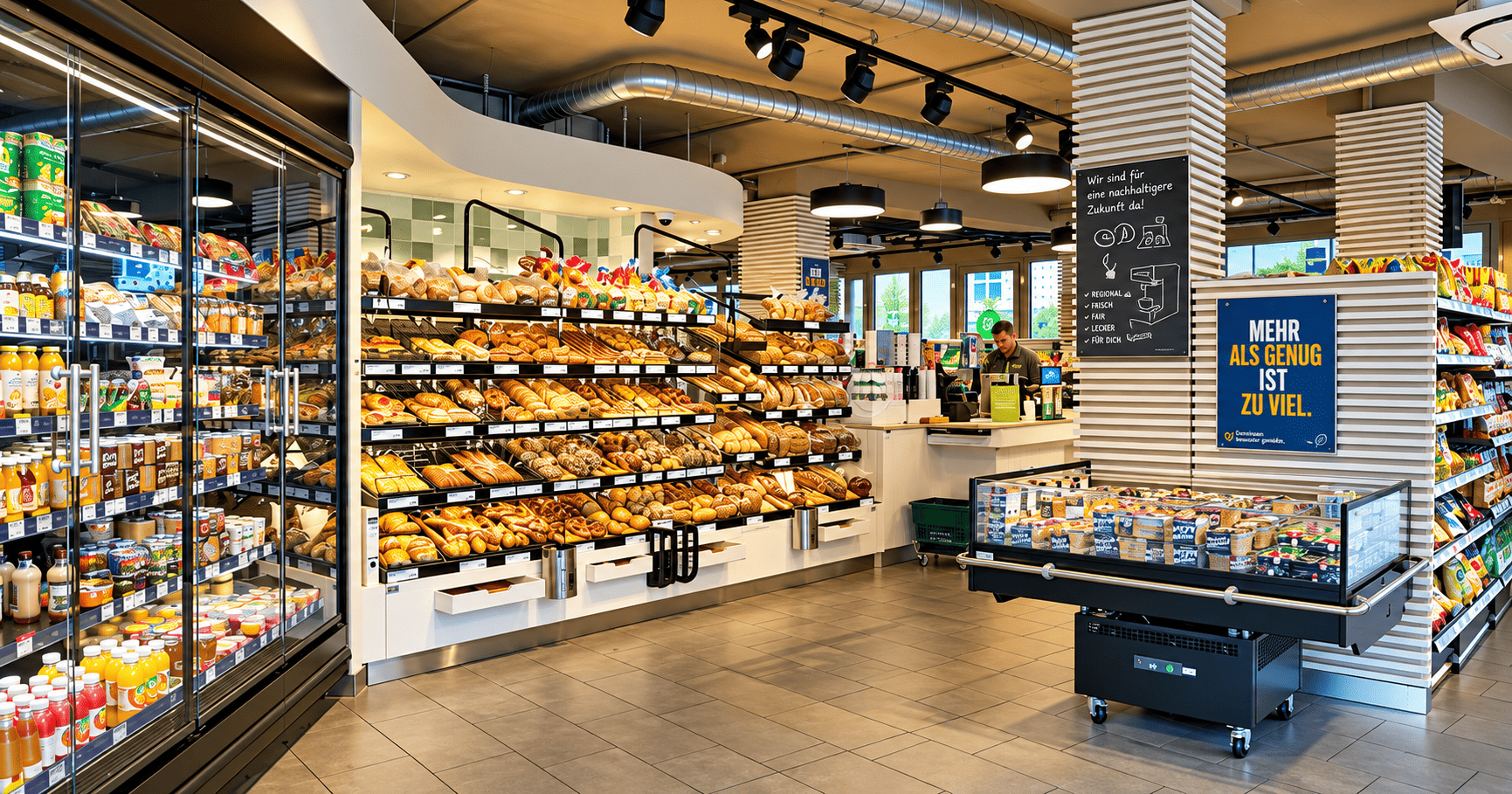
A sophisticated and disruptive wave of digital sabotage struck the continental food retail sector on Tuesday as European supermarket cyberattacks refrigeration systems failed across hundreds of major grocery outlets in France, while simultaneously forcing multinational supermarket conglomerate Ahold Delhaize to deactivate consumer-facing e-commerce platforms across Europe and the United States. Addressing the National Assembly in Paris, French Finance Minister Roland Lescure confirmed that approximately 700 of the nation’s 10,000 retail supermarkets suffered technical disruptions. While government officials emphasized that national food inventories remain secure, Lescure acknowledged the severity of the operational compromise, noting that the breach touched the foundation of national food security and served as an urgent wake-up call for critical infrastructure operators.
The coordinated cyber incident marks a dangerous escalation in industrial cyber warfare, transitioning threat actors from traditional data exfiltration toward direct operational technology (OT) sabotage. By targeting networked cold-chain climate controllers, the attack compromised perishable dairy, meat, and frozen goods inventories, forcing store operators to condemn spoiled merchandise and shut down retail aisles. Concurrently, the Paris prosecutor’s office cybercrime division initiated an immediate criminal inquiry to evaluate potential property damage, spoiled stock losses, and localized equipment fire hazards. For enterprise risk officers, consumer staples equity analysts, and institutional logistics investors monitoring digital security, comprehensive European financial news provides critical perspective on operational resilience, retail supply-chain continuity, and cybersecurity compliance.
Hundreds of Stores Compromised: France’s Retail Outlets Face Cold-Chain Shutdowns
The operational disruption caused by the European supermarket cyberattacks refrigeration campaign unfolded rapidly across leading French retail conglomerates:
- Groupement Les Mousquetaires: Operating more than 4,000 retail sites across Europe, the retail cooperative confirmed that 300 of its Intermarché and Netto branches experienced direct terminal outages, leaving commercial refrigeration and freezer display units offline.
- Coopérative U: Chief Executive Officer Dominique Schelcher announced that 80 of the group’s 2,000 grocery branches were hit. While localized contingency teams preserved the majority of cooling systems, several locations were forced to discard significant quantities of spoiled perishable food.
- Industry-Wide Exposure: Commercial outlets operating under the Carrefour and Monoprix banners also registered system anomalies, requiring regional managers to transition cooling units into manual override modes.
- Executive Outrage: Characterizing the incident as direct infrastructure sabotage, Coopérative U’s Schelcher stated: “Targeting equipment essential to the preservation of fresh products is an attack on the French food supply chain. It is unprecedented, extremely serious, and unacceptable.”
Cold-chain continuity, retail operating margins, and commercial inventory spoilage insurance directly shape consumer staples profitability. Equity analysts tracking retail inventory turnover and supply-chain risk monitor systemic disruptions through the InvestorBytes financial portal.
The Danfoss Software Vector: Legacy Firmware and Industrial IoT Vulnerabilities
A central technical element exposed by the European supermarket cyberattacks refrigeration crisis centers on industrial Internet of Things (IoT) architecture. Danish industrial technology manufacturer Danfoss, which provides commercial refrigeration automation and temperature management software globally, issued an advisory clarifying the vulnerability:
- Legacy System Targeting: Danfoss confirmed that the targeted controllers were older legacy products that no longer received routine software updates or active security patches.
- Firewall Deficits: The manufacturer reiterated that it has consistently advised retail enterprise clients to isolate supported controllers behind dedicated enterprise firewalls and install up-to-date firmware.
- Direct Manufacturer Assistance: Danfoss technical teams deployed incident response units to assist impacted retailers in isolating infected network controllers and restoring operational cooling software.
- Official Cybersecurity Directives: Technical baseline guidance published by the European Union Agency for Cybersecurity warns that unprotected operational technology endpoints represent an increasingly targeted gateway for malicious actors probing European industrial networks.
Enterprise software lifecycles, cyber insurance underwriting parameters, and capital expenditure schedules directly determine corporate liability exposure. Analysts evaluating corporate technology spending and hardware refresh cycles follow regular updates via InvestorBytes macro reports.
Institutional directives and pan-European critical infrastructure standards continue to redefine corporate compliance mandates, an area examined in European policy updates.
Ahold Delhaize Neutralizes Platforms Across Europe and the US
Simultaneously, the fallout associated with the European supermarket cyberattacks refrigeration wave spread to transatlantic operations through Dutch grocery operator Ahold Delhaize:
- Proactive System Shutdowns: The retail giant—which manages Albert Heijn in the Netherlands, Delhaize in Belgium, and major US chains including Stop & Shop and Food Lion—shut down internal operational networks following an identified security breach.
- E-Commerce Blackouts: Web portals and mobile shopping applications across multiple brands were taken offline to prevent lateral threat propagation, although brick-and-mortar stores remained open.
- Data Integrity Assessments: Ahold Delhaize confirmed that forensic investigations found no evidence that sensitive customer data or employee payroll records were exfiltrated during the intrusion.
Chief information security officers and food industry financial controllers evaluating disaster recovery architectures track retail incident metrics on the InvestorBytes homepage.
The complex relationship between digital supply networks, consumer e-commerce uptime, and corporate enterprise valuation is analyzed in InvestorBytes corporate analysis.
Industrial Telematics, Cold-Chain Sensors, and Automated Defense
Containing the operational threats highlighted by the European supermarket cyberattacks refrigeration disruption requires advanced logistics telematics. Modern cold-chain operators deploy autonomous temperature telemetry, out-of-band monitoring sensors, and automated anomaly-detection algorithms to identify unauthorized setpoint changes before food spoils. Technology specialists tracking smart refrigeration platforms follow software security developments via InvestorBytes digital finance.
Concurrently, European food distribution networks and logistics syndicates managing just-in-time delivery cycles face systemic inventory rerouting friction. Supply-chain consortia are deploying automated logistics clearing rails and decentralized inventory ledgers to balance store replenishments during physical depot shutdowns, an operational evolution documented in international capital analyses.
Shifting capital allocations and sovereign regulatory mandates continue to influence liquidity across retail and technology desks tracked in continental market coverage.
Capital Market Implications for European Retail and Cybersecurity Equities
The systemic disruption stemming from the European supermarket cyberattacks refrigeration incidents delivers clear portfolio implications for institutional allocators. European supermarket operators face near-term margin pressure from discarded inventory write-offs, emergency IT remediation expenses, and elevated cyber insurance premiums. Conversely, the breach serves as a powerful catalyst for enterprise cybersecurity providers and industrial IoT security vendors. As the European Union’s NIS2 Directive enforces stringent penalties for critical supply-chain vulnerabilities, food retail groups will accelerate capital allocation toward zero-trust industrial architectures. Institutional equity research desks continuously evaluate retail operating margins, software capital budgets, and enterprise risk metrics through InvestorBytes equity intelligence.
Corporate treasurers, commercial risk underwriters, and institutional portfolio managers track critical infrastructure vulnerability disclosures via the InvestorBytes publication.
As forensic investigators in Paris work to identify the perpetrators, the European supermarket cyberattacks refrigeration emergency demonstrates that modern food security is inseparable from digital security. Supermarket chains across the continent must now treat industrial climate control systems not merely as routine commercial equipment, but as mission-critical infrastructure requiring robust cyber defenses.
Disclaimer:
The information provided in this article is for educational, journalistic, and informational purposes only and does not constitute financial, investment, legal, or cybersecurity consulting advice.