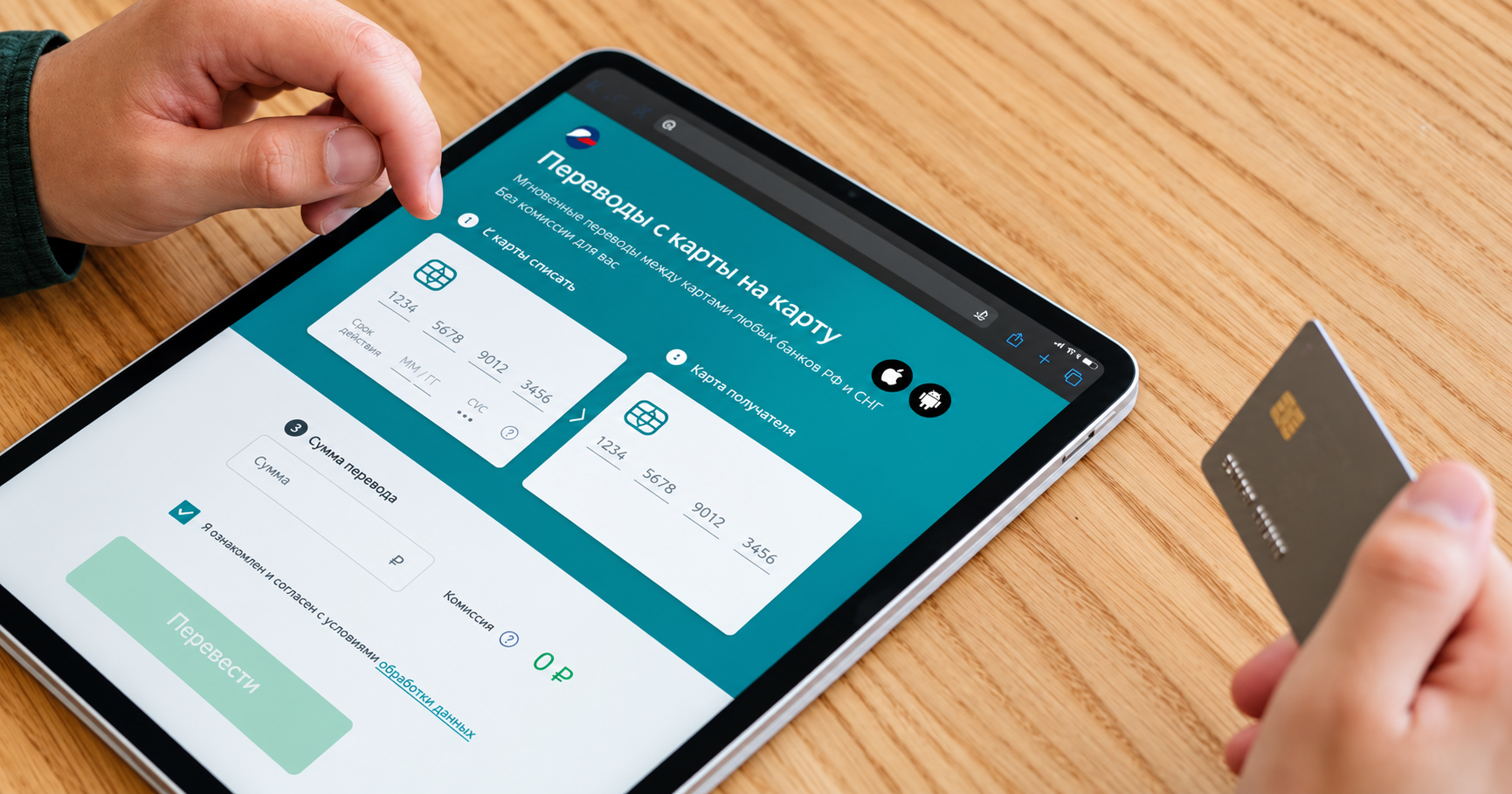
A structural transformation across European personal finance and brokerage operations is accelerating as Fintech ecosystems 2026 trading integration reshapes how retail and professional market participants manage liquid capital. In earlier market cycles, consumers were forced to navigate a fragmented financial landscape: maintaining cash deposits at a traditional retail bank, conducting cross-border currency conversions through a third-party remittance provider, and executing market positions via an independent retail brokerage account. Today, this patchwork arrangement has become obsolete. European capital market infrastructure is shifting rapidly toward consolidated super-apps that unify multi-currency treasury accounts, international payment rails, and leveraged Contract for Difference (CFD) execution into a single, cohesive operating dashboard.
The rapid growth of unified platforms reflects profound shifts in user behavior, cost sensitivity, and cross-border commerce across the European Union. As digital mobility expands, modern investors require dynamic platforms that seamlessly handle multi-jurisdictional salaries, foreign exchange hedging, and active trading execution without demanding sequential bank transfer delays or layered intermediary fees. Regulated institutions—exemplified by Swiss Banking Group subsidiary Dukascopy Europe, authorized and supervised by the Bank of Latvia under comprehensive EU directives—demonstrate how financial services are converging into unified environments. For retail market participants, compliance officers, and fintech investors tracking European software innovation, comprehensive European financial news provides critical perspective on platform regulation, investor protection standards, and digital finance architecture.
The All-in-One Mandate: Reducing Friction and Cognitive Load
The primary catalyst accelerating Fintech ecosystems 2026 trading integration is the consumer demand for operational efficiency and reduced cognitive friction:
- Eliminating Multi-Platform Fragmentation: Managing multiple banking logins, separate two-factor authenticators, and independent password vaults introduces significant operational friction and heightened cybersecurity exposure.
- Capital Efficiency: Traditional workflows require days of clearing delays to transfer liquidity from a commercial deposit account into a dedicated brokerage account, often resulting in missed market entries during periods of acute volatility.
- Cross-Border Flexibility: Remote professionals, digital entrepreneurs, and international consultants operating across diverse European markets require frictionless multi-currency treasury capabilities to hold and settle transactions in euros, Swiss francs, US dollars, and British pounds simultaneously.
- Unified Financial Visibility: Integrated dashboards provide consolidated real-time reporting, empowering users to assess overall net worth, active margin exposure, and unallocated cash reserves from a single interface.
Regulatory licensing frameworks, interbank payment gateway latencies, and transaction clearing fees heavily dictate fintech operating margins. Institutional venture allocators tracking private equity rounds and retail fintech expansion follow market indicators through the InvestorBytes financial portal.
Architectural Anatomy of a Unified Multi-Product Platform
Examining the operational layers supporting Fintech ecosystems 2026 trading integration highlights six core structural capabilities:
- Multi-Currency Holding Architecture: Dedicated virtual International Bank Account Numbers (IBANs) enabling users to store, convert, and manage distinct fiat currencies under competitive foreign exchange spreads.
- Frictionless Clearing Rails: Integration with the Single Euro Payments Area (SEPA), SEPA Instant, and international SWIFT rails to facilitate rapid capital mobilization across continental accounts.
- Integrated CFD Market Access: Real-time execution across thousands of leveraged derivatives spanning equities, commodities, foreign exchange pairs, and sovereign bond indices directly from available account cash balances.
- Centralized Identity & Compliance: Single sign-on (SSO) architecture paired with automated Know Your Customer (KYC) protocols to simplify user authentication across disparate financial activities.
- Embedded Telemetry and Analytics: Live market charting, economic sentiment calendars, and algorithmic order routing embedded alongside basic daily banking transactions.
- Transparent Auditing: Real-time ledger generation delivering granular transaction histories, fee breakdowns, and statutory tax-reporting exports.
Statutory retail investor protection measures, product governance standards, and leverage limits formulated by the European Securities and Markets Authority govern the operational design and marketing parameters of integrated derivative platforms across the continent.
Sovereign regulatory enforcement, anti-money laundering compliance, and capital adequacy requirements directly determine platform viability. Industry analysts evaluating European consumer finance trends track systemic shifts via InvestorBytes macro reports.
Institutional policy revisions and European Union financial services directives continue to reshape single-market competition, an area examined in European policy updates.
Regulatory Architecture: Navigating MiFID II and Investor Compensation
While convenience drives consumer adoption, Fintech ecosystems 2026 trading integration requires strict adherence to continental regulatory frameworks:
- The MiFID II Standard: Institutional providers operating across the EU—such as Dukascopy Europe IBS AS—must adhere strictly to the Markets in Financial Instruments Directive II (MiFID II), governing best execution, conflict-of-interest disclosures, and strict client fund segregation.
- The Investor Compensation Safety Net: Under statutory frameworks like the Latvian Investor Compensation Scheme, eligible retail client funds are protected up to €20,000 in the event of institutional insolvency, though this guarantee explicitly excludes trading losses resulting from adverse asset price movements.
- Jurisdictional Disclosures: Product availability, margin restrictions, and tax withholding mechanisms vary significantly based on the end-user’s primary country of tax residence.
Compliance directors and treasury executives evaluating regulatory adherence and retail capital allocations monitor supervisory updates on the InvestorBytes homepage.
The complex relationship between platform solvency, retail capital segregation, and corporate profitability is analyzed in InvestorBytes corporate analysis.
Financial Telematics, Smart Order Routing, and API Ledgers
Deploying the technical architecture that powers Fintech ecosystems 2026 trading integration requires high-throughput financial telematics. Tier-one platforms deploy cloud-native microservices, automated API aggregation engines, and low-latency smart order routers to balance routine retail payments alongside high-frequency trading data streams. Technology specialists tracking electronic brokerage infrastructure follow core architecture shifts via InvestorBytes digital finance.
At the same time, open-banking syndicates and banking-as-a-service (BaaS) infrastructure providers managing multi-tenant ledgers face stringent cybersecurity and uptime requirements. Platform operators are adopting automated settlement protocols and distributed reconciliation software to guarantee zero slippage during high-volume market events, an operational evolution documented in international capital analyses.
Shifting capital distributions and sovereign regulatory changes continue to influence liquidity across trading and wealth desks tracked in continental market coverage.
Retail Capital Realities: Leverage Risks and Responsible Allocation
The operational efficiency delivered by Fintech ecosystems 2026 trading integration introduces critical risk considerations for retail users. By placing high-risk leveraged derivatives directly adjacent to everyday savings accounts, platforms significantly reduce the barriers to speculative trading. Retail traders must recognize that CFDs are complex financial instruments that do not grant legal ownership of underlying assets and carry elevated risks of rapid capital depletion due to leverage. Authoritative market data confirms that approximately 68.82% of retail investor accounts lose money when trading CFDs with providers in this space. Institutional equity research desks continuously evaluate retail brokerage monetization models, customer acquisition costs, and churn dynamics through InvestorBytes equity intelligence.
Corporate treasurers, wealth management directors, and institutional risk officers track retail investing trends and platform governance via the InvestorBytes publication.
As European market participants demand greater efficiency, the expansion of Fintech ecosystems 2026 trading integration represents a fundamental transition from siloed legacy banking toward unified financial management. By combining multi-currency versatility with stringent European regulatory oversight, modern platforms empower users to streamline daily operations while reinforcing the vital importance of disciplined risk management.
Disclaimer:
The information provided in this article is for educational, journalistic, and informational purposes only and does not constitute financial, investment, legal, or trading advice.