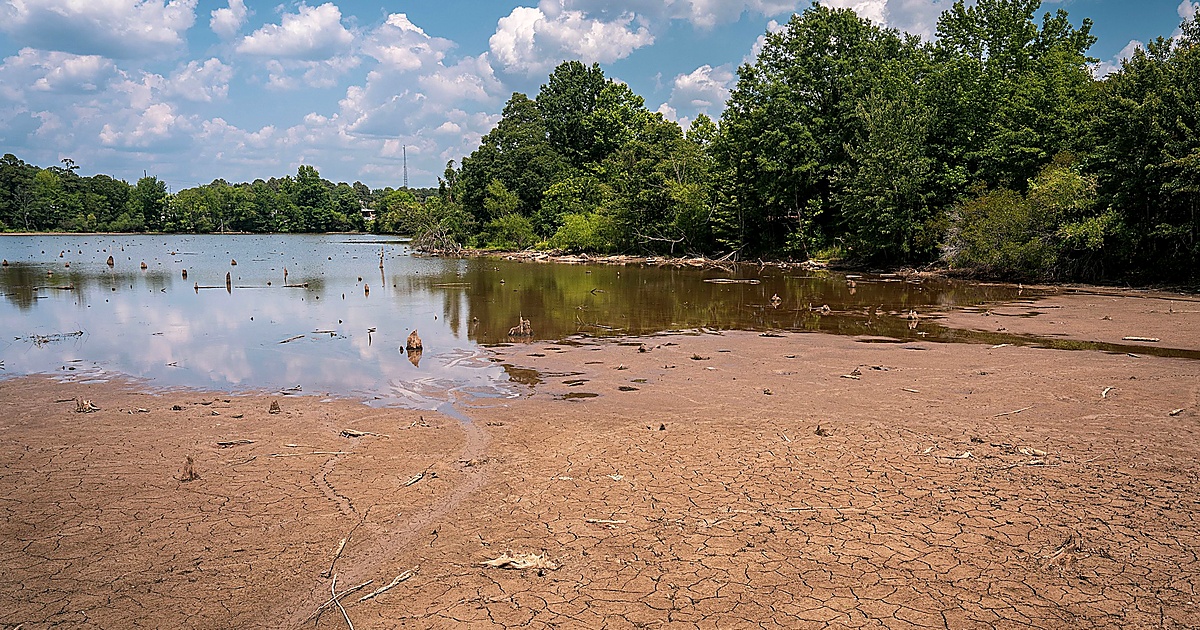
A transformative development finance package was finalized on Friday as Northern Ghana water shortages financing EIB arrangements delivered a €323 million capital commitment to modernize critical utility infrastructure across West Africa. Announced in Accra by Ghanaian Finance Minister Dr. Cassiel Ato Forson following high-level deliberations with European Investment Bank (EIB) Vice-President Ambroise Fayolle, the Northern Ghana Water and Sanitation Project aims to resolve structural water shortages across the primary urban and commercial hubs of Tamale, Yendi, and Damongo. The comprehensive financing package blends €98 million in non-repayable grant capital with a €225 million long-term concessional credit facility disbursed directly by the EIB.
The intervention marks a significant milestone in European multilateral engagement with emerging markets under the EU Global Gateway strategy. For years, communities across the Northern and Savannah regions of Ghana have experienced acute infrastructure deficits, where legacy treatment plants operate at less than half capacity while rapid demographic growth has widened the municipal supply deficit. By combining sovereign grant commitments from the European Commission with bilateral development funding from the Dutch government and concessional financing from the EIB, the blended transaction offers a model for public utility modernization without overburdening sovereign debt balances. For emerging market credit analysts, infrastructure project financiers, and ESG fund managers tracking sovereign lending facilities, comprehensive European financial news provides critical perspective on international development treaties, blended capital syndication, and macro debt sustainability.
The €323 Million Facility: Capital Architecture and Grant Allocations
The financial structuring supporting Northern Ghana water shortages financing EIB operations leverages an optimized blended finance mechanism:
- The EIB Concessional Tranche: The European Investment Bank provides the anchor facility of €225 million via highly concessional terms, featuring extended repayment tenors and subsidized borrowing spreads tailored for public infrastructure.
- The European Commission Contribution: The executive arm of the European Union contributes a direct €68 million non-repayable grant to lower aggregate project borrowing costs.
- The Dutch Invest International Grant: The Netherlands government’s dedicated development vehicle, Invest International, provides a €30 million grant, elevating total grant funding to €98 million.
- Ministerial Endorsement: Highlighting the outcome of bilateral talks, Dr. Cassiel Ato Forson remarked: “I have just concluded a productive meeting with European Investment Bank Vice-President Ambroise Fayolle on the financing package for the Northern Ghana Water and Sanitation Project. The project will address recurring water shortages and improve sanitation across the three communities.”
Concessional loan conditions, sovereign guarantee covenants, and bilateral developmental subsidies directly determine emerging market debt sustainability. Institutional portfolio managers assessing African sovereign debt and multilateral co-financing frameworks follow structural updates through the InvestorBytes financial portal.
The Northern Utility Deficit: Addressing Tamale, Yendi, and Damongo
The acute supply bottlenecks addressed by the Northern Ghana water shortages financing EIB program stem from decades of underinvestment:
- The Tamale Supply Gap: Tamale’s metropolitan area requires between 90,000 and 95,000 cubic meters of potable water daily, yet aging infrastructure produces only 35,000 to 38,000 cubic meters.
- Mechanical Bottlenecks at Dalun: Key regional facilities, such as the Dalun Water Treatment Plant, have frequently operated with only two of five primary intake pumps functioning, leaving municipal networks vulnerable to disruptions.
- Piping Network Overhaul: Capital investments will fund the replacement of deteriorating trunk mains and distribution pipelines, preventing high-pressure bursts as pumping capacity expands.
- Official Multilateral Portals: Detailed operational records cataloged by the European Investment Bank demonstrate how dedicated Global Gateway water and sanitation envelopes enhance health resilience and industrial self-sufficiency across developing partner nations.
Sub-Saharan municipal utility debt, sovereign debt restructurings, and foreign exchange reserves directly influence sovereign credit ratings. Economists evaluating infrastructure expenditure follow sovereign debt metrics via InvestorBytes macro reports.
Cabinet deliberations and bilateral development pacts continue to guide international capital distributions, an area examined in European policy updates.
Invest International and European Blended Finance Alignment
A critical institutional dynamic within the Northern Ghana water shortages financing EIB framework is the collaboration between multilateral and bilateral development entities:
- Invest International Participation: The €30 million grant from the Dutch state entity demonstrates how bilateral European lenders combine balance sheets with the EIB to finance high-impact water sanitation assets.
- Mitigating Sovereign Debt Exposure: Incorporating €98 million in non-repayable grants reduces overall debt service burdens, aligning the package with Ghana’s post-restructuring fiscal targets.
- Regional Sanitation Upgrades: Beyond clean drinking water, dedicated allocations support municipal wastewater processing facilities to prevent waterborne disease outbreaks.
Corporate treasurers and development finance directors assessing emerging market concessional credit monitor capital trends on the InvestorBytes homepage.
The complex relationship between development bank loan conditions, sovereign credit spreads, and public utility performance is evaluated in InvestorBytes corporate analysis.
Utility Telematics, Automated Metering, and Flow Optimization
Deploying the physical infrastructure financed by the Northern Ghana water shortages financing EIB package requires advanced utility telematics. Engineering contractors deploy supervisory control and data acquisition (SCADA) systems, acoustic pipeline leak sensors, and automated flow-control valves to monitor pressure stability across extensive distribution grids. Technology specialists tracking smart water infrastructure follow software developments via InvestorBytes digital finance.
Concurrently, international engineering syndicates and multilateral disbursement facilities managing multi-currency capital expenditures face foreign exchange and procurement oversight. Financial institutions are implementing automated milestone tracking ledgers and programmable smart-contract payment structures to verify construction deliverables before releasing contractor funds, an operational evolution documented in international capital analyses.
Shifting capital distributions and sovereign regulatory changes continue to influence liquidity across development and debt desks tracked in continental market coverage.
Capital Market Implications for Emerging Market Debt and Utility Equities
The successful negotiation of Northern Ghana water shortages financing EIB arrangements provides constructive guidance for institutional investors. Blended public finance structures reduce the cost of capital for essential utilities while insulating sovereign treasuries from commercial borrowing rates. Moreover, modernizing municipal water infrastructure strengthens economic productivity across regional manufacturing, agricultural processing, and commercial transport corridors. Institutional equity research desks continuously evaluate public-private utility partnerships, frontier market risk premia, and multilateral financing pipelines through InvestorBytes equity intelligence.
Corporate treasurers, sovereign debt traders, and development bank underwriters track public utility financings via the InvestorBytes publication.
As technical procurement and civil works commence across Tamale, Yendi, and Damongo, the Northern Ghana water shortages financing EIB transaction demonstrates the impact of blended development finance. By combining European Union grants with concessional multilateral lending, international partners are delivering practical solutions that secure clean water access, foster regional economic resilience, and advance sustainable development.
Disclaimer:
The information provided in this article is for educational, journalistic, and informational purposes only and does not constitute financial, investment, legal, or sovereign debt advisory guidance.