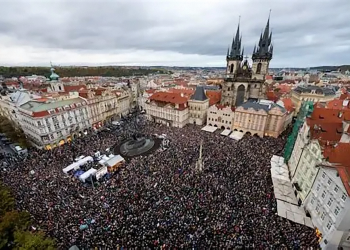
A pivotal confrontation between ecclesiastical accountability and pastoral reconciliation took center stage in southwestern France as the Pope Lourdes abuse scourge directive was delivered by Pope Leo XIV during an apostolic gathering at the Sanctuary of Our Lady of Lourdes. Addressing an assembly of senior French clerics behind closed doors on the third day of his four-day tour, the first American pontiff demanded that bishops maintain the “greatest vigilance” to eliminate predatory behavior within the Roman Catholic Church. The appeal arrived immediately prior to private dialogues arranged with victims of historical clerical assault, marking a defining moment for the Holy See’s moral authority across Europe.
The confrontation with systemic malfeasance carries profound cultural, institutional, and social governance implications for Western democracies experiencing accelerated secularization. When sovereign institutions lose moral credibility among domestic populations, the secondary effects undermine civil engagement, philanthropic endowments, and community welfare structures. For policy directors, sociologists, and international institutional researchers assessing how religious realignments and state secularism intersect with sovereign governance, comprehensive newsroom reporting on politics provides essential intelligence on modern institutional reform.
Demanding Relentless Vigilance: The Closed-Door Warning
The pastoral message addressing the Pope Lourdes abuse scourge is directly tied to the lingering fallout of France’s landmark 2021 independent commission inquiry. That audit concluded that an estimated 330,000 children were victimized by Catholic priests, deacons, and affiliated lay workers over a 70-year span. While French dioceses have since introduced victim financial reparations, independent reporting hotlines, and revised safeguarding protocols, victim advocacy organizations argue that institutional accountability remains incomplete.
“You have faced with determination the painful scourge of abuse of minors committed by members of the clergy or within an ecclesial context,” Pope Leo told the gathered prelates in remarks later released to journalists. “It is important to persevere along the path you have begun, maintaining the greatest vigilance”.
The pontiff subsequently celebrated Mass before tens of thousands of worshippers gathered in the meadows surrounding the Marian sanctuary prior to his private meeting with survivors. The backdrop of the shrine—internationally recognized as a refuge of physical and spiritual healing—highlighted the emotional gravity of the discussions.
The decline of traditional religious institutions directly alters municipal civil support networks, historical estate preservation budgets, and domestic charity services. Economists analyzing how shifting institutional participation, demographic realignments, and non-profit fiscal capacities reshape aggregate domestic welfare track long-term indicators through dedicated coverage of the broader economy.
Secular Decline and Public Contrasts Across France
The urgency surrounding the Pope Lourdes abuse scourge address unfolds against a backdrop of historic secularization across the French republic. Demographic metrics demonstrate that the Catholic Church’s cultural footprint has shrunk rapidly:
- Worshipper Contraction: The proportion of regular French church attendees dropped from 35% of the total population in 1960 to under 5% today.
- Priestly Shortages: The number of active Catholic priests fell by nearly two-thirds, dropping from roughly 25,000 in 1990 to fewer than 9,000 currently.
- Massive Outdoor Turnout: Despite institutional erosion, personal enthusiasm for the pontiff remains high, evidenced by an estimated 700,000 to 800,000 attendees lining the Champs-Élysées and filling the Place de la Concorde during Saturday’s open-air Paris Mass.
During his Parisian address, Pope Leo urged believers not to retreat into isolated enclaves but to let their convictions “overflow so that those you meet may be refreshed,” specifically encouraging young people to revitalize communal service.
Social trust, volunteer demographics, and civic capital allocation heavily influence business consumer confidence, philanthropic capital flows, and labor mobility across commercial markets.
Digital Archives, Identity Verification, and Church Governance
Reforming administrative transparency under the Pope Lourdes abuse scourge mandate requires robust technical execution. Diocesan administrative offices are deploying encrypted digital record-keeping systems, decentralized background-check verification frameworks, and automated whistleblowing channels to prevent the concealment of administrative misconduct. Software engineers tracking secure database governance and institutional cryptography follow technical innovations through specialized coverage of tech.
Simultaneously, international humanitarian organizations and non-governmental aid networks coordinating cross-border crisis relief face fluctuating foreign exchange rates and banking friction. Forward-looking philanthropic organizations increasingly evaluate automated smart contracts and crypto networks to execute transparent, low-cost capital disbursements for overseas humanitarian initiatives without intermediate banking fees.
Institutional Balance Sheets and Sovereign Trust Realities
The long-term resolution of the Pope Lourdes abuse scourge holds structural consequences for non-profit and healthcare balance sheets. Institutional real estate managers, educational trust administrators, and healthcare fund allocators evaluate how liability reserves and legal settlements affect the financial sustainability of community institutions. Corporate analysts track these governance standards and legal liabilities across specialized non-profit and educational sectors within business & finance channels.
Portfolio managers also assess how corporate governance (ESG) standards influence institutional allocations across publicly traded real estate, facility management, and healthcare stocks.
According to official human rights and civic documentation from the Council of Europe, safeguarding minors through transparent administrative oversight remains a foundational legal requirement for all civil and non-governmental organizations.
As Pope Leo concludes his pastoral pilgrimage across France, the call to eliminate the Pope Lourdes abuse scourge underscores the immense challenge confronting the Vatican. In a secularized society scarred by past abuses, the Catholic Church’s future relies not merely on drawing massive festival crowds, but on demonstrating uncompromised vigilance and structural transparency.
Disclaimer:
The information provided in this article is for educational, journalistic, and informational purposes only and does not constitute legal, institutional, financial, or governance advice.