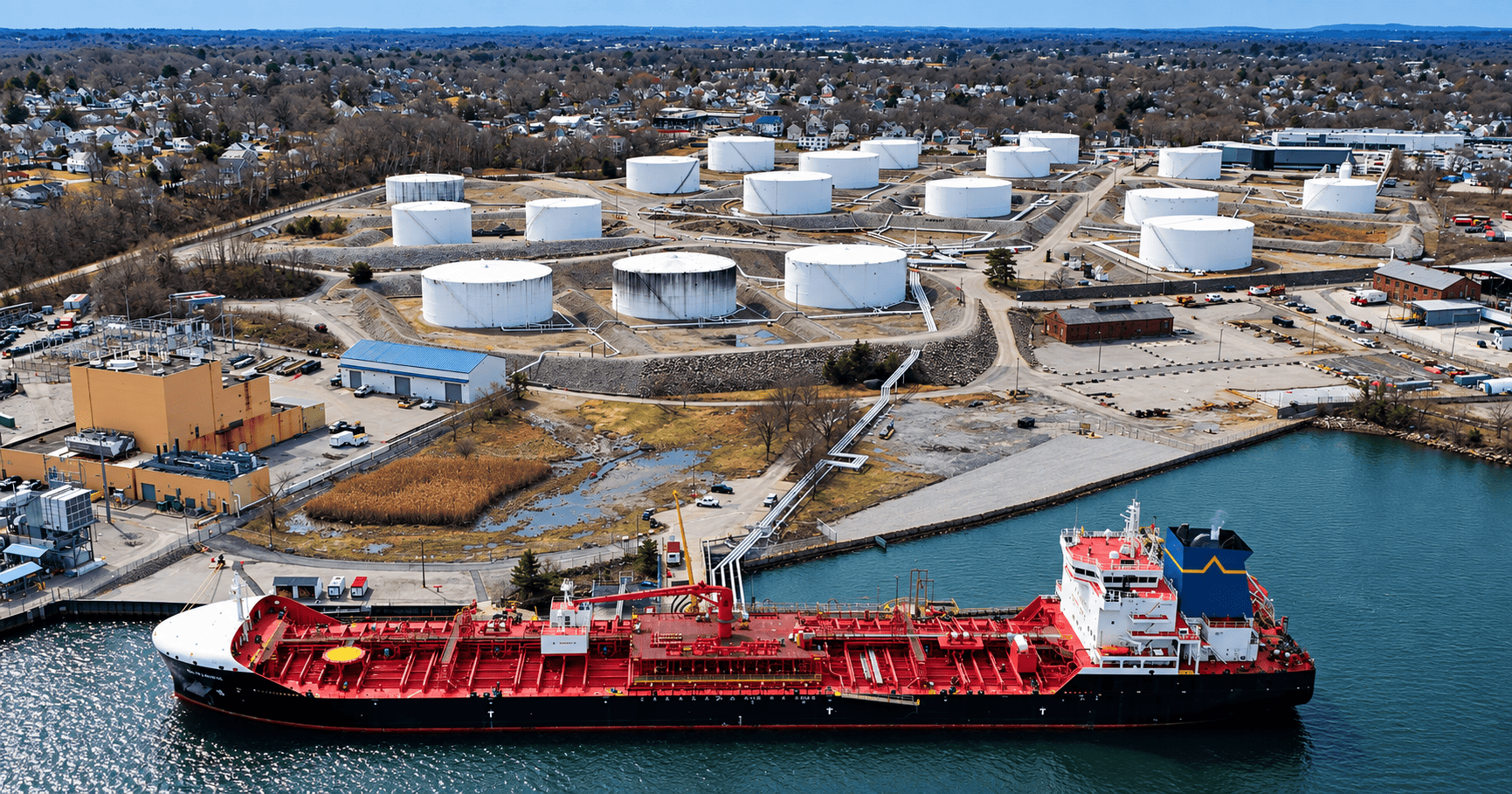
A critical diplomatic push between Brussels and Washington has eased immediate energy panic across the continent, with European authorities expressing cautious optimism that a proposed US diesel export ban Europe feared will not materialize in the immediate term. Speaking in Dublin, European Union Energy Commissioner Dan Jorgensen confirmed that he had delivered an explicit message to United States Energy Secretary Chris Wright, underscoring that curbing transatlantic refined product shipments would inflict economic damage on both American producers and European consumers. Jorgensen indicated that Wright opposed imposing an outright export freeze, reinforcing hopes that the White House may hold back from enforcing restrictions despite domestic consumer pressures.
The potential interruption of cross-border refined middle distillates represents a systemic threat to Western economic cohesion. With European freight transportation, agricultural supply lines, and industrial production already stretched by restricted supplies and elevated refinery margins, cutting off American barrels would risk triggering immediate supply rationing across the continent. For corporate treasurers, supply chain directors, and institutional fund managers monitoring how international fuel policies shape transport expenditures, comprehensive reporting across business & finance provides essential intelligence on energy commodity security.
Transatlantic Diplomacy: Jorgensen and O’Brien Lobby Washington
The push to prevent the US diesel export ban Europe monitors comes after United States President Donald Trump said that his administration was examining an export prohibition “very seriously” to ease domestic pump prices ahead of upcoming midterm elections. In response, European leaders launched coordinated diplomatic efforts to highlight the mutual fallout of restricting exports.
During his meetings in Dublin, Jorgensen stressed that Europe requires unrestricted trade to survive an increasingly volatile winter:
- Direct Ministerial Talks: Jorgensen confirmed that Energy Secretary Wright indicated opposition to an outright ban, recognizing the damage it would cause to US refiners by creating localized gluts and cutting refinery run-rates.
- Environmental Concessions: In a clear concession to Washington, Jorgensen signaled that the European Commission would consider a 12-month delay on certain methane reporting requirements for fuel importers a climate regulation that American exporters had opposed.
- Irish Ministerial Insights: Ireland’s Energy Minister Darragh O’Brien reported that his recent meetings with the US Chamber of Commerce and American officials suggested that the White House would avoid a blanket export embargo, though he warned against complacency.
Fatih Birol, Executive Director of the International Energy Agency (IEA), underscored the scale of European exposure while speaking alongside Jorgensen, pointing out that Europe relies on the United States for approximately 50% of its imported diesel.
Elevated transport fuel overheads and sudden supply shortages directly alter freight logistics, industrial cost structures, and headline inflation metrics. Economists analyzing how refined product volatility and freight costs shape continental gross domestic output track long-term indicators through dedicated reporting on the wider economy.
Compounding Shocks: Middle East Disruption and Structural Deficits
The anxiety over a potential US diesel export ban Europe faces is magnified by severe supply disruptions elsewhere. Ongoing conflict in the Middle East has restricted traffic through the Strait of Hormuz, affecting nearly 20% of Europe’s total fuel imports. Combined with the total ban on Russian maritime refined products due to the war in Ukraine, Europe’s import buffers have been severely depleted.
According to internal disclosures presented to the EU Oil Coordination Group, member states face an estimated structural deficit of 30% on diesel and 35% on jet fuel. To mitigate these shortfalls, European authorities are preparing emergency meetings with continental refiners to identify spare processing capacity. Furthermore, French President Emmanuel Macron has called on the European Commission to temporarily relax fuel quality specifications so refiners can maximize diesel yields.
European officials also noted that alternative suppliers such as Nigeria’s massive Dangote refinery could help backfill shortfalls if American flows decline.
Cross-border fuel tariffs, emergency supply mandates, and energy price subsidies remain contentious topics in European and American legislative bodies. Analysts monitoring how executive decrees and ministerial directives alter fuel allocations follow policy developments via politics.
Algorithmic Tankering, Telematics, and Cross-Border Settlements
Managing supply volatility while tracking the US diesel export ban Europe debate requires sophisticated operational software. Multinational logistics conglomerates deploy algorithmic route optimization, predictive fleet consumption tracking, and fuel-tankering software to avoid refueling trucks in supply-strained regional hubs. Technology specialists monitoring transportation telemetry and automated distribution networks follow innovations through specialized coverage of tech.
Concurrently, international fuel trading desks and maritime bunkering operations face volatile foreign exchange exposures. Energy treasuries are evaluating programmable liquidity protocols and crypto networks to execute round-the-clock cross-border settlements for bulk fuel cargoes, avoiding commercial banking delays during spot-cargo transactions.
Refinery capacity limits and shipping detours continue to influence distillate crack spreads across global commodity markets.
Valuation Impacts on Listed Industrial and Refining Equities
The ongoing uncertainty surrounding the US diesel export ban Europe dispute presents complex earnings dynamics for public equities. While integrated European refiners could temporarily capture record crack spreads if transatlantic imports drop, industrial manufacturers and transport operators face severe margin compression from runaway freight expenses. Institutional portfolio managers continuously track these operating margins and fuel hedges across publicly traded transport, freight, and energy stocks.
According to formal market tracking and energy outlooks from the International Energy Agency (IEA), maintaining open transatlantic refined product flows remains vital to preventing structural supply failures across Western economies.
Corporate treasurers and institutional asset managers also monitor liquidity buffers across broader business & finance channels.
While diplomatic signals suggest Washington will hold off on an immediate prohibition, the vulnerability exposed by the US diesel export ban Europe debate remains unresolved. Facing a 30% structural diesel deficit and deep dependence on foreign refiners, Europe’s industrial transport network will remain vulnerable to geopolitical price spikes well into 2027.
Disclaimer:
The information provided in this article is for educational, journalistic, and informational purposes only and does not constitute financial, investment, energy procurement, or legal advice.