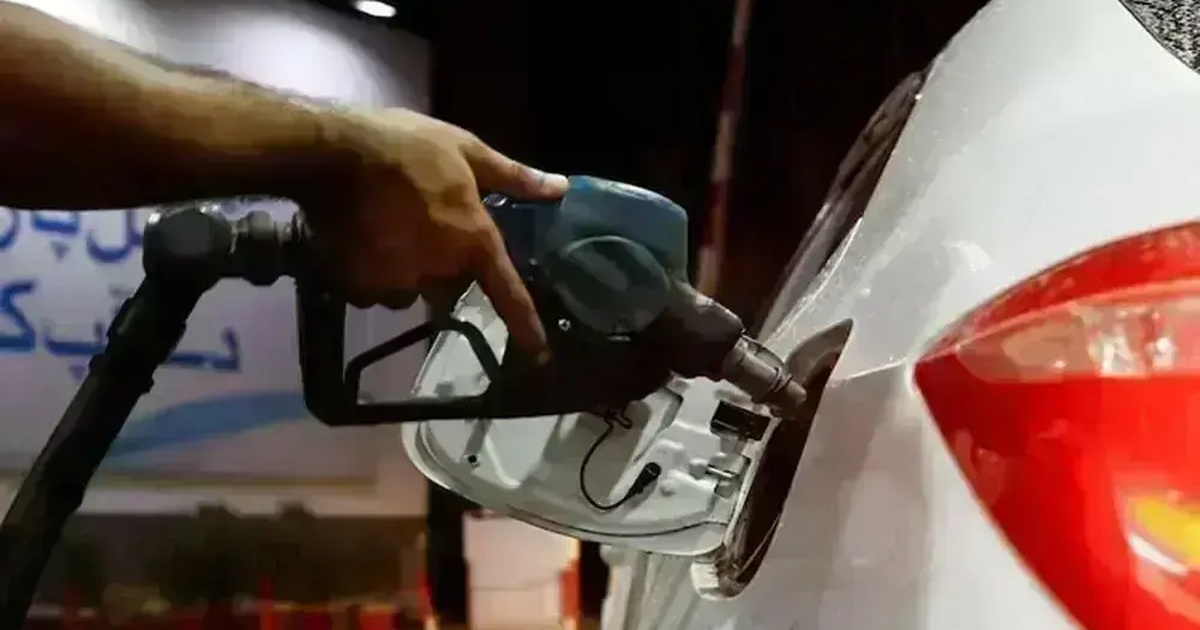
The unprecedented climb in EU fuel prices has reached historic territory, driving consumer transport costs and continental energy inflation to multi-year highs. According to comprehensive data from the European Commission’s Weekly Oil Bulletin, filling a standard 50-litre vehicle tank now costs approximately €103 for petrol and €108 for diesel on weighted European averages. The sharp escalation in EU fuel prices has added acute pressure to household disposable incomes and corporate balance sheets, with Eurozone energy inflation surging to 14.3% in August from 10.3% in July, based on official figures from the European Central Bank (ECB).
The persistent escalation across international energy corridors carries far-reaching consequences for supply chains, freight haulage networks, and industrial manufacturing operations. As consumer purchasing power contracts under transport inflation, corporate treasuries must actively reassess operational spending and working capital strategies. For institutional allocators, business leaders, and economists tracking how structural price shocks reshape monetary policy and macroeconomic stability, continuous reporting on the broader economy provides essential context on fiscal resilience.
Why EU Fuel Prices Are Breaking Historic 20-Year Records
The surge in EU fuel prices reflects a convergence of upstream commodity disruptions and acute downstream capacity constraints. Official European Commission benchmarks indicate that a litre of unleaded petrol climbed to a weighted EU average of €2.063, while diesel reached €2.159 per litre. Both readings represent the highest figures since the Commission began maintaining standardized price registries in 2005.
Divergent Realities: From Malta to Nordic Highs
Retail pump prices demonstrate wide divergence across European Union member states, shaped by geographical logistics and local fiscal levies:
- Lowest Pump Costs: Petrol was lowest in Malta at €1.34 per litre, where state subsidies capped domestic charges, with diesel registering at €1.21 per litre.
- Peak Continental Readings: Denmark recorded the most expensive petrol at €2.56 per litre, while Finland registered the highest diesel cost across the bloc at €2.51 per litre.
- Annual Growth: Since January 2026, weighted EU average petrol costs have risen by roughly 29%, whereas diesel has surged by nearly 40%.
The structural pass-through of these higher transport costs directly impacts continental freight operations and consumer retail volumes. As commercial transport firms absorb rising overheads, institutional investors track the secondary pricing effects across financial markets.
The Refining Bottleneck: Why Diesel Margins Peak in October
While international benchmark Brent crude trades above $104 per barrel up significantly from pre-conflict levels of $72 crude prices alone do not explain why EU fuel prices have set records. Downstream refining margins, which measure the financial difference between the purchase cost of crude oil and the market value of refined transport distillates, have expanded rapidly.
ECB specialists analyzing refined futures data from LSEG noted that while petrol margins peaked earlier in August, diesel crack margins will not hit their apex until October. Current estimates indicate that refining margins contribute roughly €0.41 per litre (19% of the retail pump price) to diesel and €0.17 per litre (8%) to petrol.
Furthermore, structural disruptions to refining infrastructure have restricted product supply. Saudi Aramco recently informed at least two European refiners that long-term crude allocations would be halted for October following an attack on an export pipeline to the Red Sea. Coupled with curtailed Russian throughput and disrupted shipping transit via the Strait of Hormuz, global distillate inventories remain strained.
Government energy directives, strategic reserve releases, and emergency tax relief measures are heavily debated across European parliaments. Analysts monitoring how executive mandates and ministerial fiscal interventions attempt to curb utility inflation can follow policy changes via politics.
Fiscal Components: Excise Taxes and Digital Treasury Hedging
Taxation remains the single largest component in the price structure of EU fuel prices. Calculations published via the European Commission Oil Bulletin Portal demonstrate that excise duties and value-added tax (VAT) represent approximately 44% of the final diesel price and 52% of the petrol price across the euro area. Upstream crude costs account for less than a quarter of the total cost paid by motorists at retail stations, with refining and distribution margins composing the remainder.
As sustained inflation erodes fiat purchasing power, corporate treasuries and logistics providers are examining innovative balance sheet hedging strategies. Institutional allocators increasingly analyze how programmable liquidity rails, tokenized commodity contracts, and decentralized crypto reserves can mitigate foreign exchange volatility and protect enterprise cash reserves against prolonged inflationary cycles.
Corporate Exposure Across Heavy Logistics and Industrial Equities
The trajectory of EU fuel prices poses direct challenges for heavy industry, maritime logistics, and public transport operators. Transport operators operate under tight contractual margins, meaning prolonged distillate inflation reduces operating cash flow unless fuel surcharges can be transferred to cargo owners. Equity analysts continuously monitor these margin pressures across transport, chemical, and industrial stocks exposed to high distillate input costs.
ECB monetary policy statements warn that extended disruptions to maritime energy corridors could cause energy inflation to persist for longer than previously projected. Bringing prices down will require an end to regional Middle East hostilities, unimpeded transit through the Strait of Hormuz, and the restoration of global refining capacity to rebuild depleted distillate stockpiles.
Until refining throughput expands and geopolitical tensions normalize, elevated EU fuel prices will continue to test the financial durability of European consumers and corporate balance sheets through the winter months.
Disclaimer:
The information provided in this article is for educational, journalistic, and informational purposes only and does not constitute financial, investment, energy trading, or legal advice.