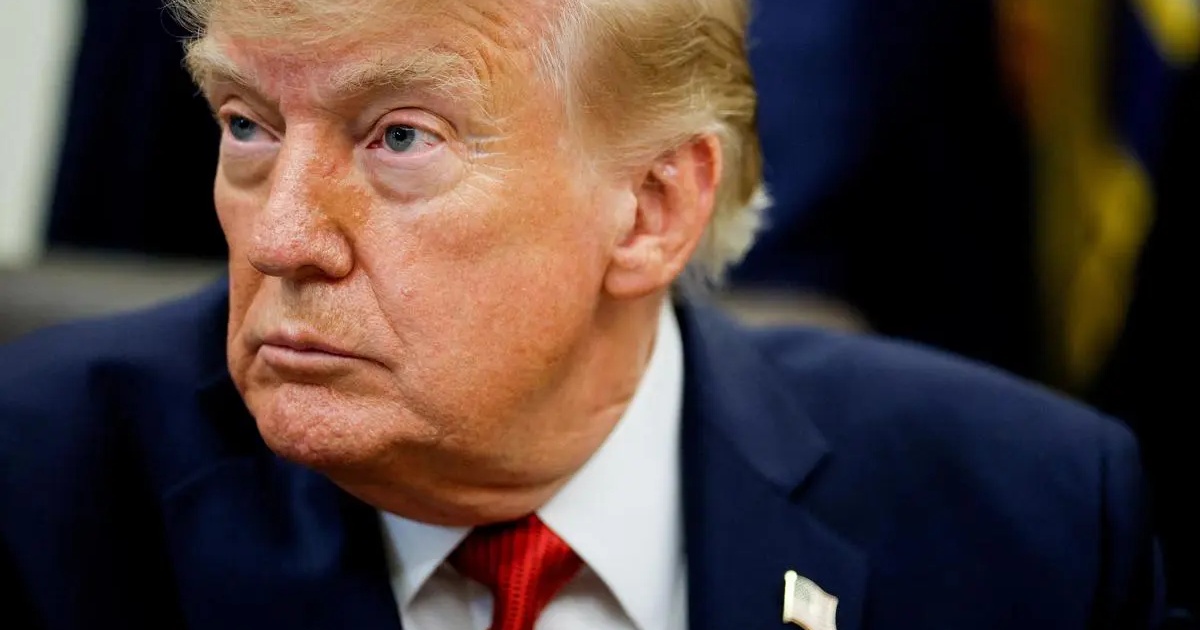
A united coalition of global motor vehicle manufacturers, component suppliers, and national automotive dealerships has formally mobilized to demand that the White House keep Chinese automakers out of the US ahead of a high-stakes bilateral summit. In an urgent joint letter addressed to United States President Donald Trump, six major trade associations warned against permitting state-subsidized foreign competitors to manufacture, import, or distribute passenger vehicles within the domestic American market. The concerted lobbying campaign arrives days before Trump is scheduled to meet Chinese President Xi Jinping, following public statements from the US president suggesting openness toward Chinese-backed manufacturing facilities operating on American soil.
The high-profile appeal carries profound consequences for domestic manufacturing employment, corporate capital allocation, and transatlantic supply networks. If foreign electric vehicle manufacturers secure direct production access, legacy assembly footprints face severe competitive displacement and operational margin compression. For institutional investors, government affairs executives, and trade policy strategists analyzing how executive actions alter manufacturing landscapes, following real-time coverage on politics provides essential clarity on emerging industrial policy.
The Industry Petition: Closing the Door on State-Subsidized Production
The central objective behind the joint petition is to convince executive leadership to keep Chinese automakers out of the US completely. The appeal represents the collective leadership of the Alliance for Automotive Innovation, the American Automotive Policy Council, Autos Drive America, MEMA—The Vehicle Suppliers Association, the National Automobile Dealers Association, and the Zero Emission Transportation Association. Together, these groups represent the domestic operations of General Motors, Toyota, Volkswagen, Ford, Hyundai, Stellantis, and Tesla.
“We urge your administration to maintain policies that keep the door firmly shut to Chinese automakers seeking to sell, import or manufacture vehicles inside the U.S.,” the coalition stated in the letter. Industry leaders noted that Chinese brands currently hold zero market share in the United States, warning that granting permission to establish domestic factories would offer state-backed competitors an immediate commercial beachhead at the direct expense of incumbent operators.
Displacing Generational Investments vs. Creating Jobs
The trade groups pushed back against assertions that foreign assembly plants would generate net employment gains for American autoworkers:
- Labor Displacement Risks: The letter asserted that foreign investment would fail to produce new domestic jobs, instead siphoning employment away from manufacturers that have deployed generational capital across the country.
- State-Controlled Competition: Automakers warned that commercial profits would flow directly toward entities owned, subsidized, and directed by the Chinese government rather than private market enterprises.
- Summit Speculation: Michigan Democratic Senator Elissa Slotkin pointed to reports that President Xi could bring executive leadership from electric vehicle giant BYD to Washington, cautioning that backroom agreements might facilitate localized production.
Shifts in sovereign industrial trade policy directly impact aggregate domestic output, manufacturing payrolls, and retail consumer pricing. Analysts tracking how federal trade protections and industrial realignments influence macroeconomic durability can follow cyclical indicators through comprehensive coverage of the broader economy.
Regulatory Barriers: 100% Tariffs and National Security Restrictions
The industrial campaign to keep Chinese automakers out of the US builds upon extensive regulatory and statutory restrictions enacted over recent years. Current federal policy imposes more than 100% import tariffs on Chinese-built electric vehicles, establishing a significant price barrier against offshore shipments.
Furthermore, regulatory rules enacted in early 2025 by the federal executive effectively prohibited Chinese vehicle manufacturers from selling or assembling connected passenger vehicles within the United States on national security grounds. The Department of Commerce rules specifically targeted onboard communications hardware—including Bluetooth modules, Wi-Fi antennas, cellular modems, and satellite positioning transceivers—over concerns that connected vehicles could harvest and transmit sensitive telemetry, driving patterns, and personal data from American motorists back to foreign state databases.
Congressional leaders are currently considering legislative proposals designed to codify and toughen these prohibitions across the commercial transportation sector. As governments deploy statutory restrictions to safeguard technological and manufacturing sovereignty, shifting geopolitical risk premiums directly impact institutional bond yields, currency valuations, and financial markets.
Automotive Telematics, Grid Edge Infrastructure, and Treasury Operations
The strategic effort to keep Chinese automakers out of the US intersects directly with digital vehicle innovation. Modern electric vehicles function as rolling computing architectures equipped with advanced driver-assistance platforms, autonomous neural networks, and cloud telemetry links. To examine how connected mobility standards, artificial intelligence microprocessors, and smart-grid integrations are reshaping automotive engineering, technical professionals track industry breakthroughs via specialized reporting on tech.
At the same time, multinational automotive suppliers managing cross-border procurement of battery raw materials and semiconductors face persistent currency controls and tariff compliance hurdles. Corporate treasuries evaluating liquidity preservation during prolonged trade friction increasingly assess decentralized settlement protocols and crypto networks to optimize real-time balance sheet clearing and hedge against foreign exchange volatility.
Equity Valuation Headwinds Across Global Automotive Equities
The public confrontation over whether to keep Chinese automakers out of the US has created immediate volatility across publicly traded automotive equities. Following the coalition’s warning, major automaker shares reflected heightened investor nervousness: General Motors dropped 5.10%, Ford fell 2.94%, Toyota slid 1.23%, Tesla retreated 0.53%, and European-listed Volkswagen fell 8.31%. Institutional asset managers continuously track these policy risks across multinational manufacturing and mobility stocks.
According to formal documentation published by the Office of the United States Trade Representative (USTR), robust tariff enforcement and supply-chain auditing remain essential statutory tools to counteract non-market capacity surges from foreign state-backed producers.
As executive negotiations approach between Washington and Beijing, the battle to keep Chinese automakers out of the US represents a defining test of American economic statecraft. The forthcoming summit will determine whether domestic manufacturing corridors remain sheltered behind 100% tariffs and national security bans, or whether foreign competition gains an operational gateway onto American roads.
Disclaimer:
The information provided in this article is for educational, journalistic, and informational purposes only and does not constitute financial, investment, legal, or trade policy advice.