The escalating winter power surge in Europe has pushed wholesale electricity markets to their most precarious operational levels since the 2022 energy crisis. Forward contracts on the European Energy Exchange reveal that benchmark German wholesale power for January delivery is currently trading above €180 per megawatt-hour, representing a steep increase of more than 60% compared to the prior year. Driven primarily by soaring natural gas import costs, maritime supply bottlenecks in the Persian Gulf, and nuclear generation outages, this winter power surge in Europe is putting regional industrial stability to the test.
The rapid climb in utility costs introduces immediate friction across energy-intensive industrial corridors, sovereign bond issuances, and commercial real estate. As input overheads rise for manufacturing plants and household budgets tighten, the prospect of persistent inflation complicates central bank policy easing. For corporate treasurers, portfolio managers, and energy analysts monitoring how structural commodity shifts influence macroeconomic stability, continuous coverage of the broader economy provides vital context on fiscal resilience.
Core Catalysts: Natural Gas Insecurity and the Hormuz Chokepoint
The primary catalyst accelerating the winter power surge in Europe is a sharp deficit in natural gas storage replenishment. Intensifying global competition for uncommitted liquefied natural gas (LNG) cargoes has coincided with the closure of the Strait of Hormuz amid the Iran conflict, effectively severing Qatari gas supplies from reaching Atlantic terminals.
Europe has strengthened its physical import terminals since Russian pipeline deliveries halted in 2022, when power futures exceeded €1,000 per megawatt-hour. However, this infrastructure pivot has exposed the continent directly to volatile spot pricing across international LNG markets. Compounding the deficit, operational curtailments across France’s nuclear reactor fleet caused by river overheating and labor strikes, paired with depleted Scandinavian hydropower reservoirs, have removed crucial baseload generation.
Ulf Ek, chief investment officer at Northlander Commodity Advisors LLP, warned that an unseasonably cold winter with constrained Middle Eastern fuel could send wholesale power jumping by an additional 50%. Consumer exposure will vary based on domestic hedging structures: British households face a 25% increase in domestic utility caps this January, whereas Norwegian consumers remain shielded through public retail subsidies.
This widening price disparity directly impacts cross-border industrial competitiveness and capital allocation. Institutional allocators tracking these cost shifts evaluate wholesale energy trends through targeted analysis across international markets.
The Limits of Renewables: Managing Seasonal Intermittency
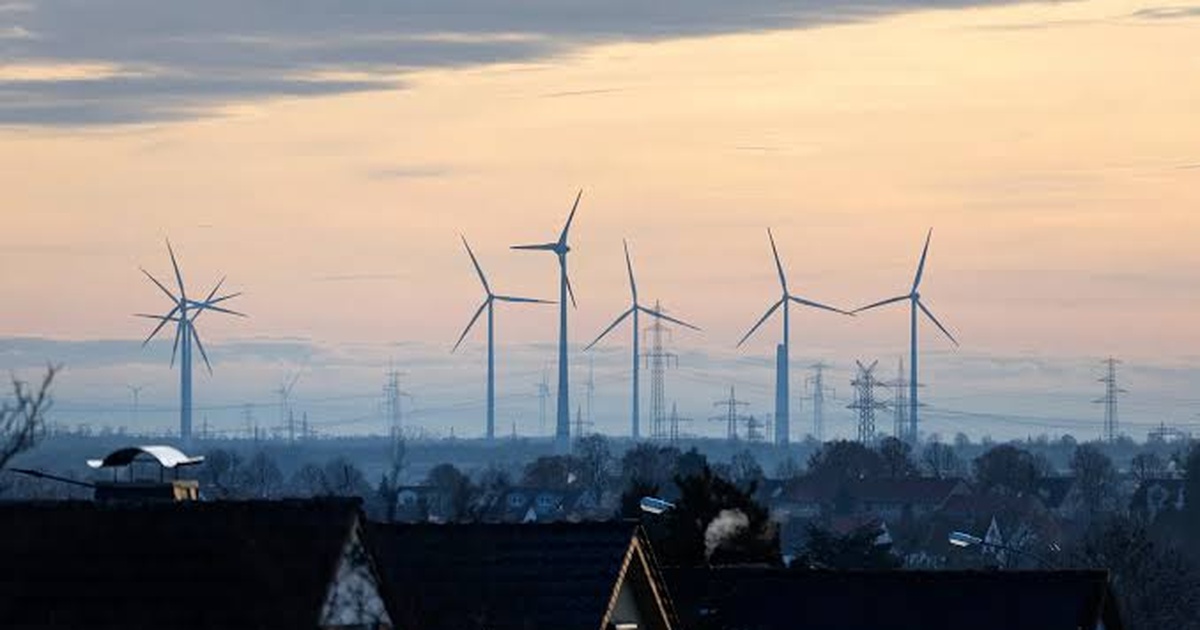
The structural realities behind the winter power surge in Europe highlight the seasonal operational constraints of clean generation. Accelerated solar deployments installed since 2021 lowered European wholesale summer power prices by approximately 30%, according to consultancy data from Baringa. However, northern Europe’s short daylight hours and frequent winter overcast drastically curb photovoltaic output, shifting baseload dependency entirely to wind assets and fossil-fired balancing plants.
When winter cold snaps coincide with periods of calm air (known as Dunkelflaute), renewable generation plummets, forcing grid operators to dispatch high-marginal-cost gas and coal units to avert blackouts. Florence Schmit, senior energy strategist at Rabobank, noted that while clean capacity has expanded significantly, it remains insufficient to offset the structural dependence on gas peaking plants.
Consequently, Germany has launched capacity auctions to build new gas-fired power stations, while the United Kingdom is weighing higher floor prices to incentivize private investment in thermal generation. Observers analyzing how state interventions, capacity market designs, and emission taxes govern utility networks can track statutory directives via politics.
Grid Optimization, Microprocessors, and Liquidity Management
Managing the ongoing winter power surge in Europe requires advanced grid optimization technologies. Transmission system operators are turning to algorithmic load-balancing software, predictive AI weather modeling, and automated demand-response systems to manage real-time peak loads. Technology professionals examining smart-grid microprocessors and energy storage controls follow industrial innovations through specialized coverage of tech.
At the same time, multinational corporations facing volatile utility bills are adjusting their treasury hedging mechanisms. Large corporate buyers are evaluating decentralized liquidity networks, smart-contract power purchase agreements, and crypto asset rails to settle cross-border energy transactions efficiently and hedge against foreign exchange volatility during prolonged commodity spikes.
Valuation Opportunities and Headwinds Across Power Equities
The financial pressures driving this winter power surge in Europe present a mixed operating backdrop for publicly traded companies. While heavy industrial manufacturers face margin compression from high electricity bills, diversified utility operators and renewable independent power producers stand to capture windfalls.
According to financial analysis from Jefferies, power producers including RWE AG, Engie SA, and EDP Renováveis SA could see their upcoming fiscal-year earnings exceed consensus projections by 10%, as expensive marginal gas units lift the wholesale clearing price for all market participants. Equity analysts monitor these operating cash flows and margin expansions across leading European utility and infrastructure stocks.
Official documentation published by the European Union Agency for the Cooperation of Energy Regulators (ACER) indicates that maintaining deep market integration between national bidding zones remains essential to prevent regional price decoupling.
Unless geopolitical tensions in the Middle East subside to reopen maritime shipping corridors, the winter power surge in Europe will keep electricity rates elevated. While European gas reserves provide a buffer against physical rationing, managing elevated utility costs remains a critical challenge for continental industrial competitiveness throughout the winter season.
Disclaimer:
The information provided in this article is for educational, journalistic, and informational purposes only and does not constitute financial, investment, energy trading, or legal advice.